The Renaissance
Renaissance Makeup: The Ideal Face and What It Cost
A period that theorised beauty, wrote its recipes down, and pursued a complexion that was quietly poisoning the people who achieved it.
1400 – 1700Art & Ideal Beauty
- 19articles
- 5moments
- 9min read
The Renaissance: The Chronology
5 moments · 5 open an article
In short
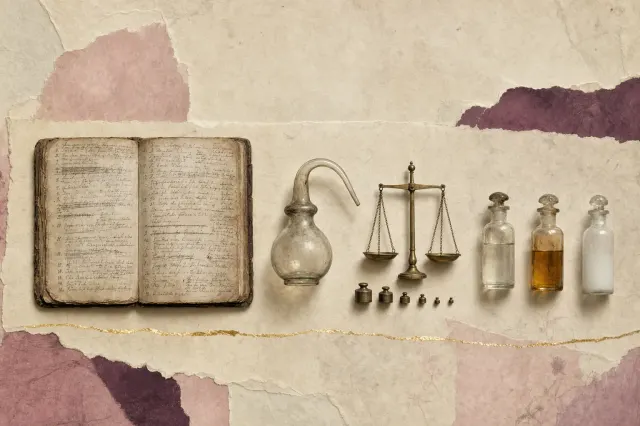
The Renaissance turned cosmetics into a written technical literature: recipe collections such as Caterina Sforza’s Experimenti circulated as serious knowledge, even as the period’s most prized complexion product, lead-based Venetian ceruse, damaged the skin it was applied to.
The Renaissance at a Glance
- Luminous PallorA high, unblemished white was the whole complexion ideal.
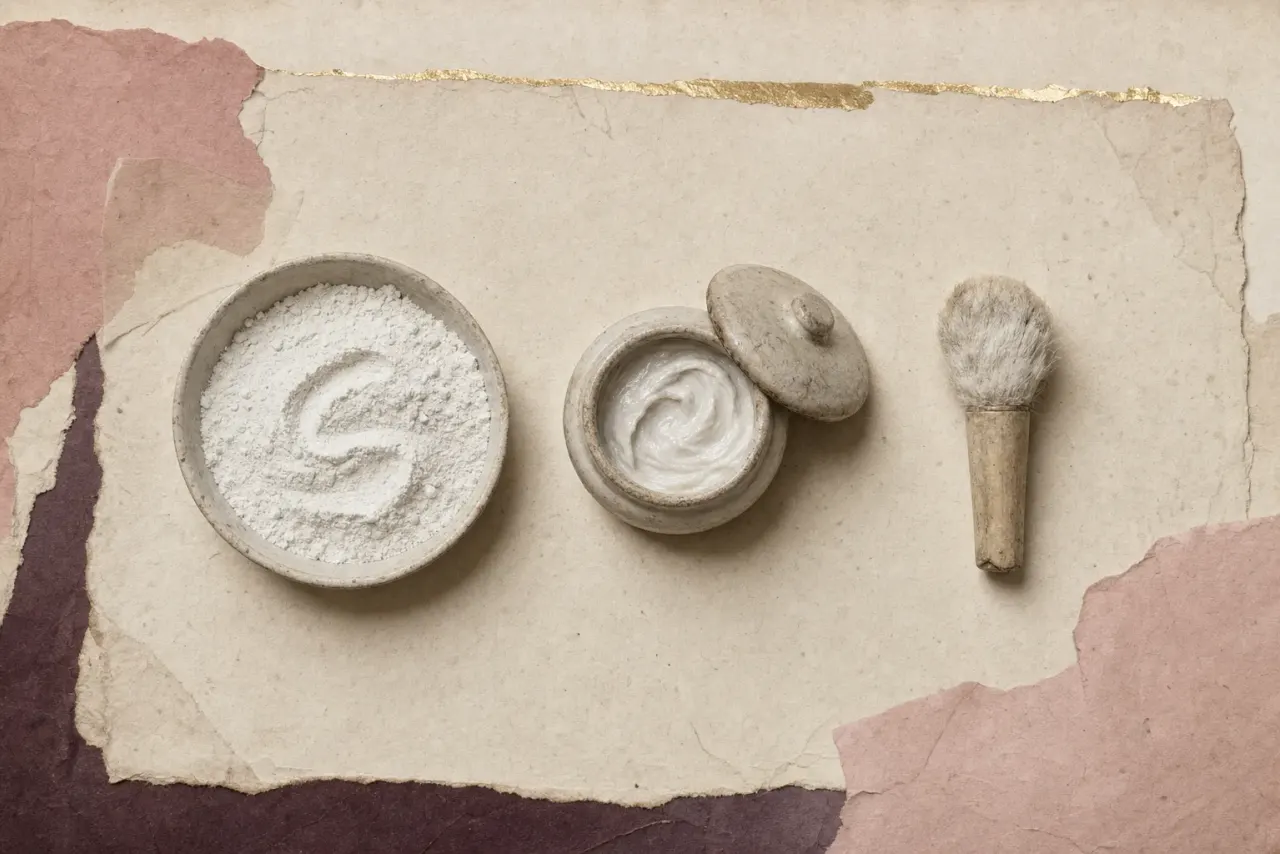
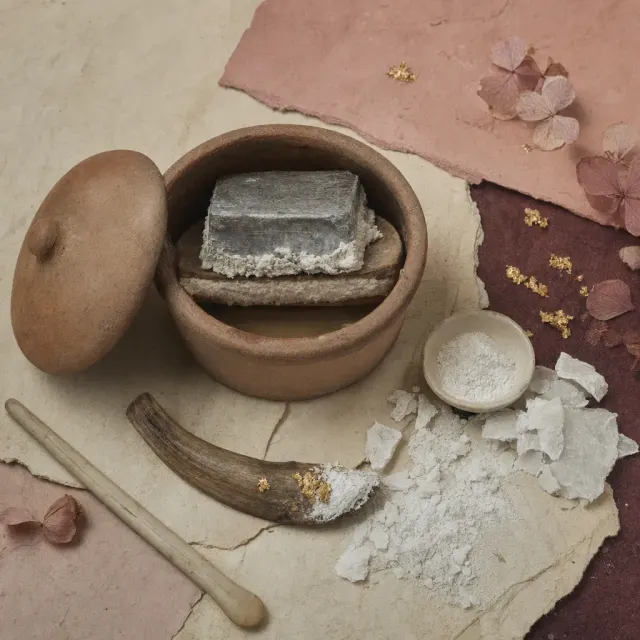
- Venetian CeruseLead white — the most admired and most damaging product of the age.
- Recipes in PrintCosmetic knowledge becomes a written, circulating literature.
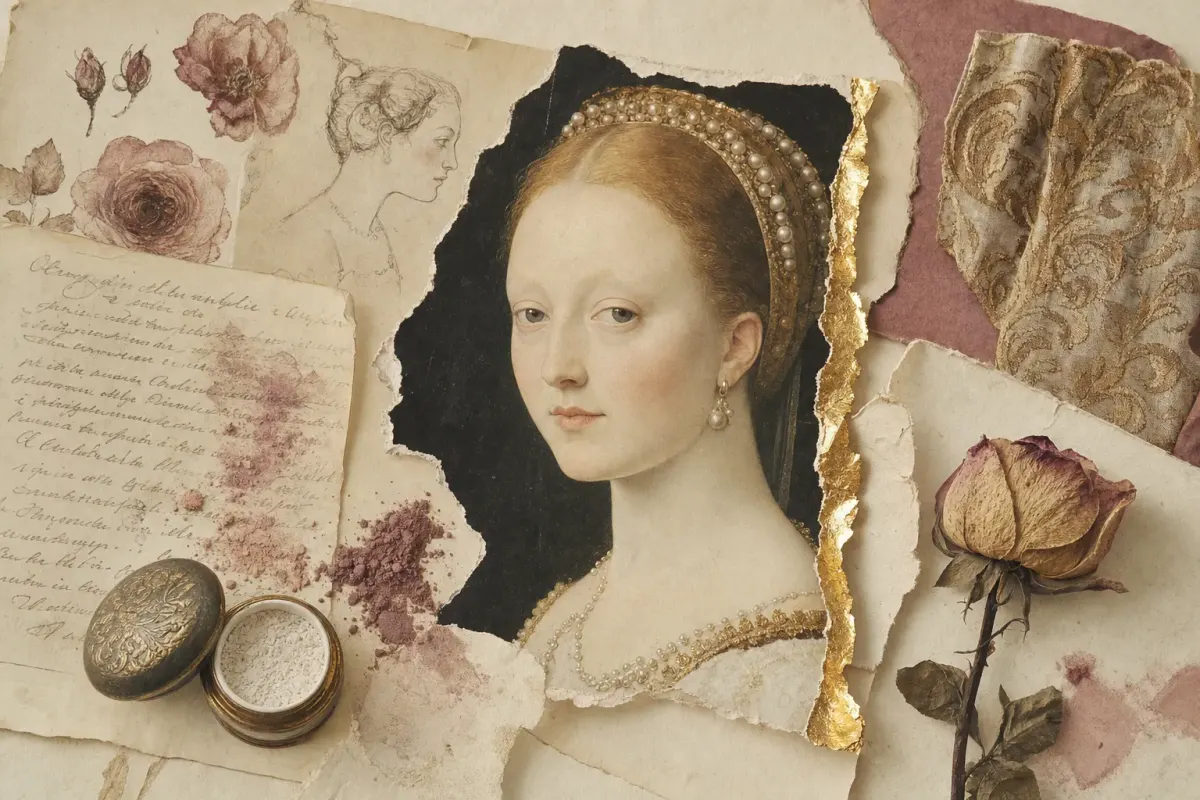
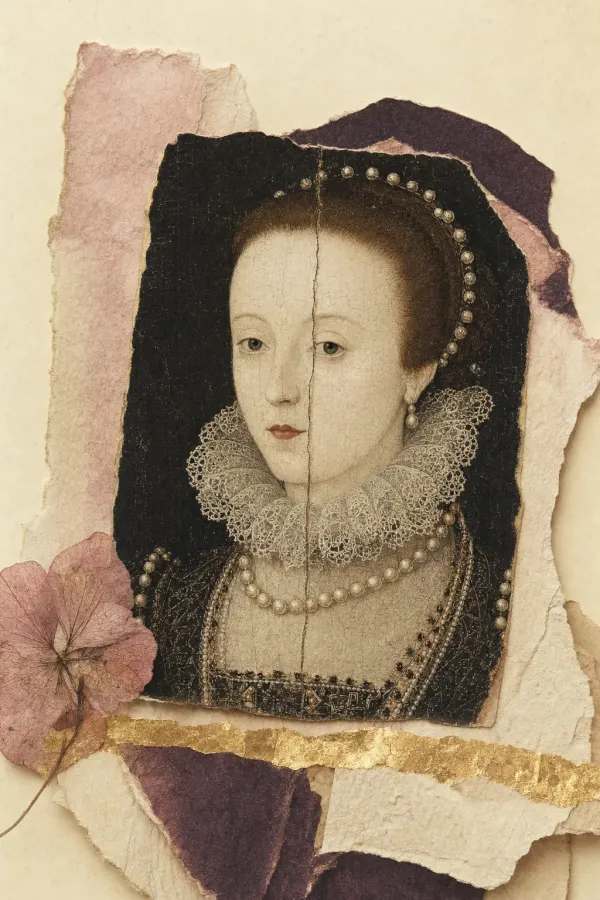
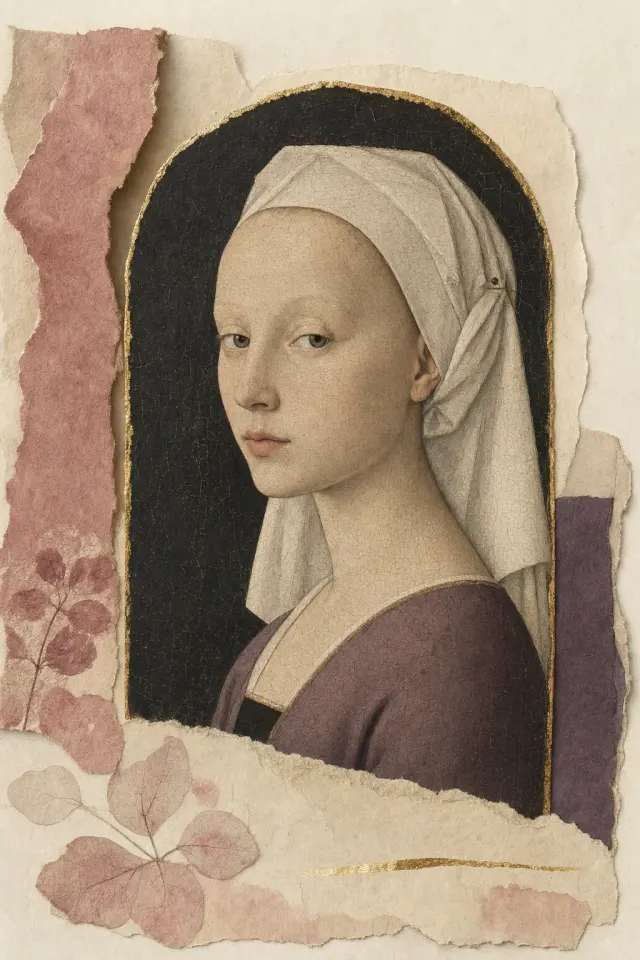
- Painted EvidencePortraits show the ideal, not necessarily the face.
In the Renaissance
Art & Ideal Beauty
19 articles across 4 collections
Showing all 19
Explore Further
Cultures
The same question, answered elsewhere
Ingredients
What the face was made of