Eras
Beauty through time — from the sacred pigments of the ancient world to the face we wear today.
16 eras3500 BCE — Today
- 3500 BCE – 500 CE
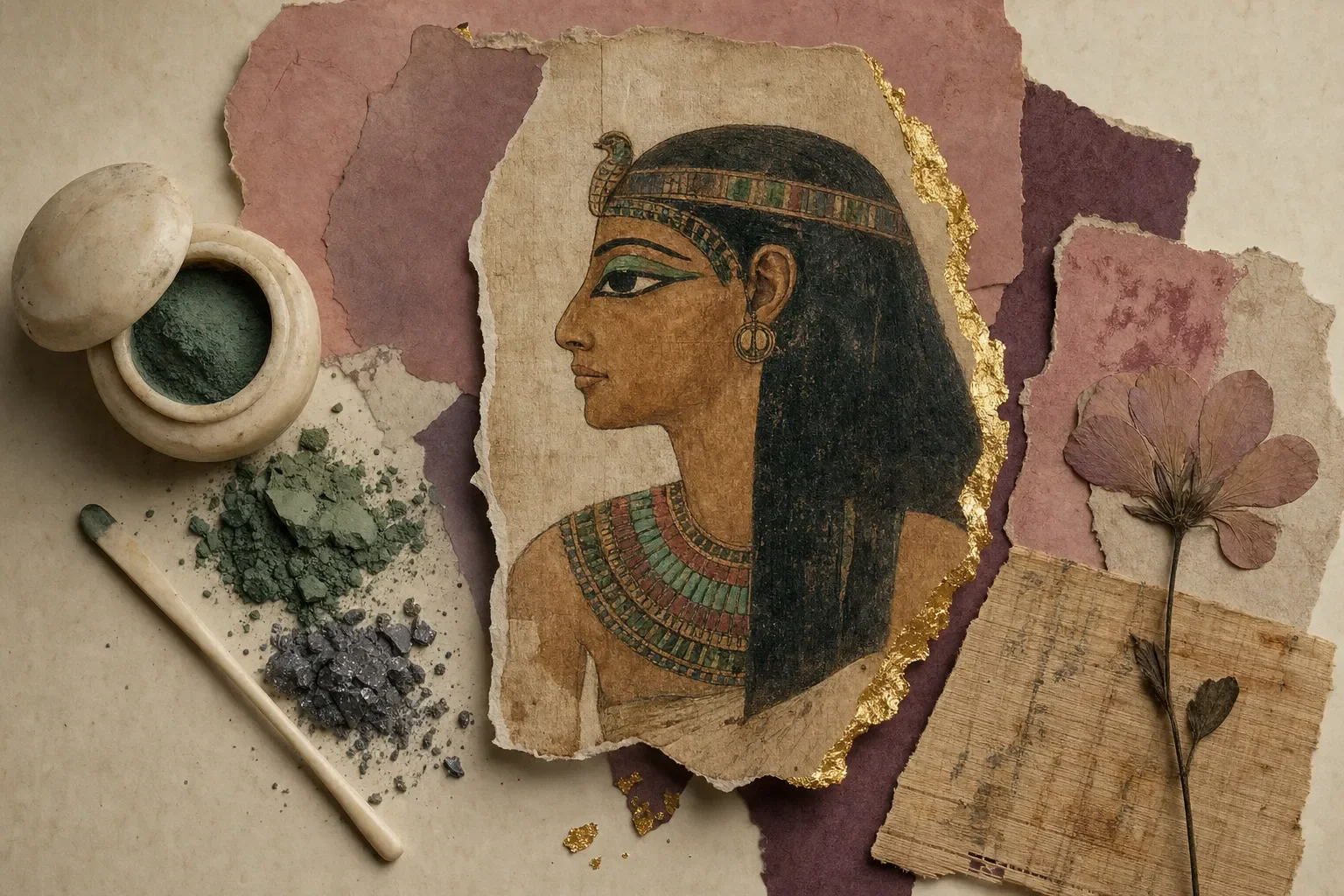
Ancient World
Ritual & Divine Beauty
Kohl, malachite, red ochre and white lead: the earliest cosmetics were manufactured substances with ritual, medical and practical purposes, and the evidence for them is in the objects rather than the anecdotes.
- 500 – 1500
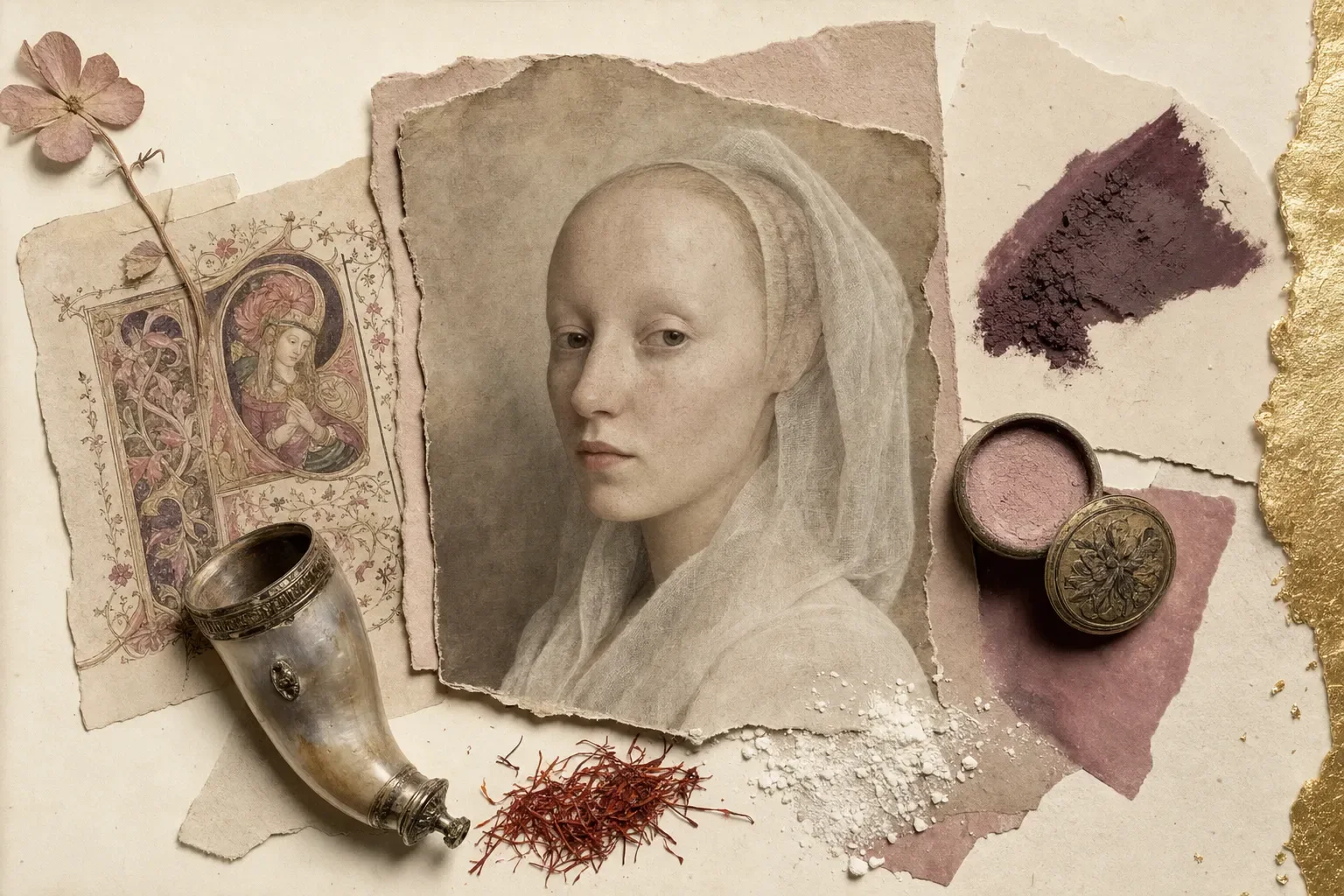
Medieval
Faith & Adornment
Medieval beauty prized a pale complexion, a high plucked forehead and no visible artifice — an ideal pursued with a substantial body of cosmetic recipes that survives in the medical literature of Salerno and al-Andalus.
- 1400 – 1700
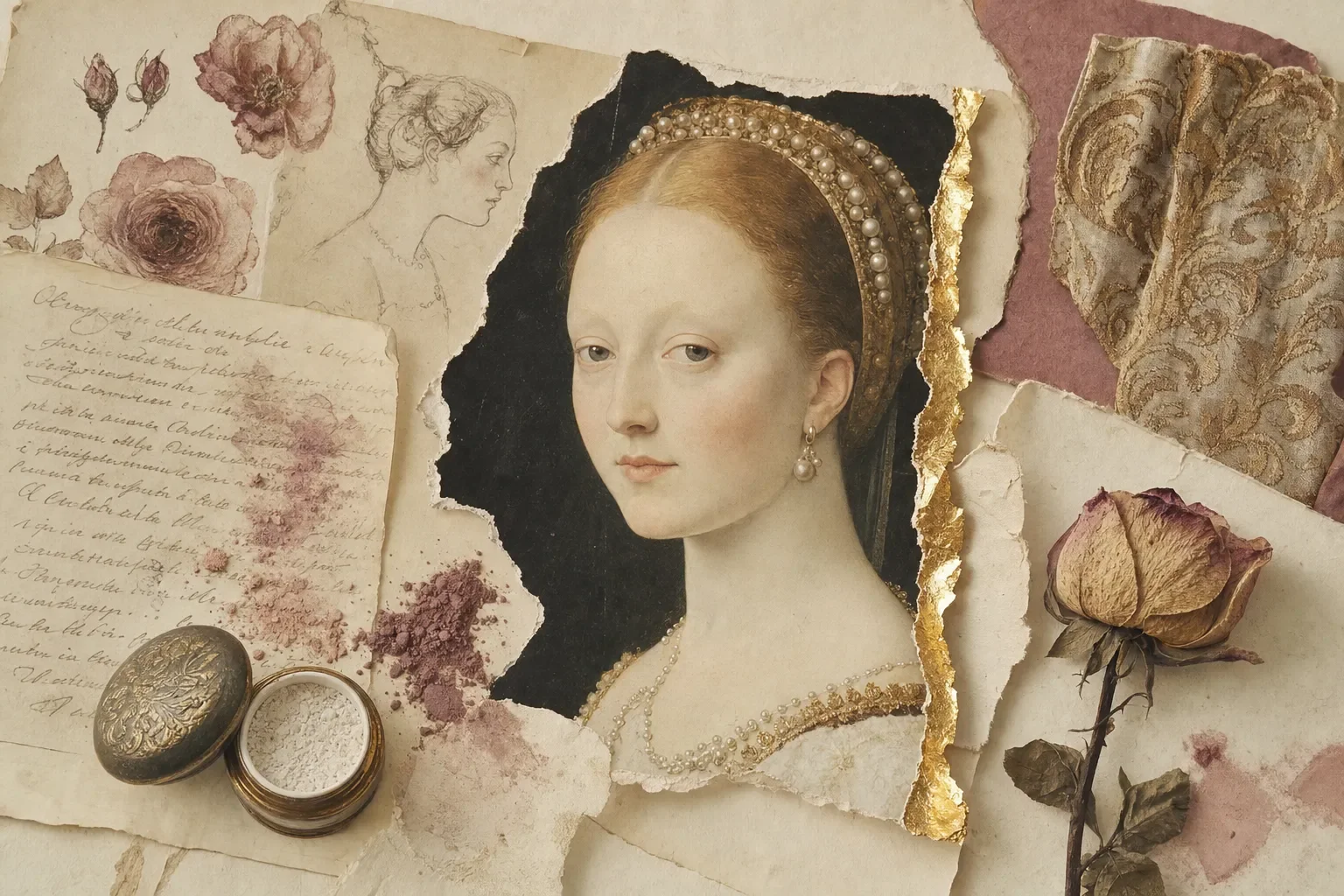
Renaissance
Art & Ideal Beauty
Between 1400 and 1700 beauty became a subject of written theory and technical recipe collections — and Venetian ceruse, the most admired complexion of the age, became its most documented hazard.
- 1837 – 1901
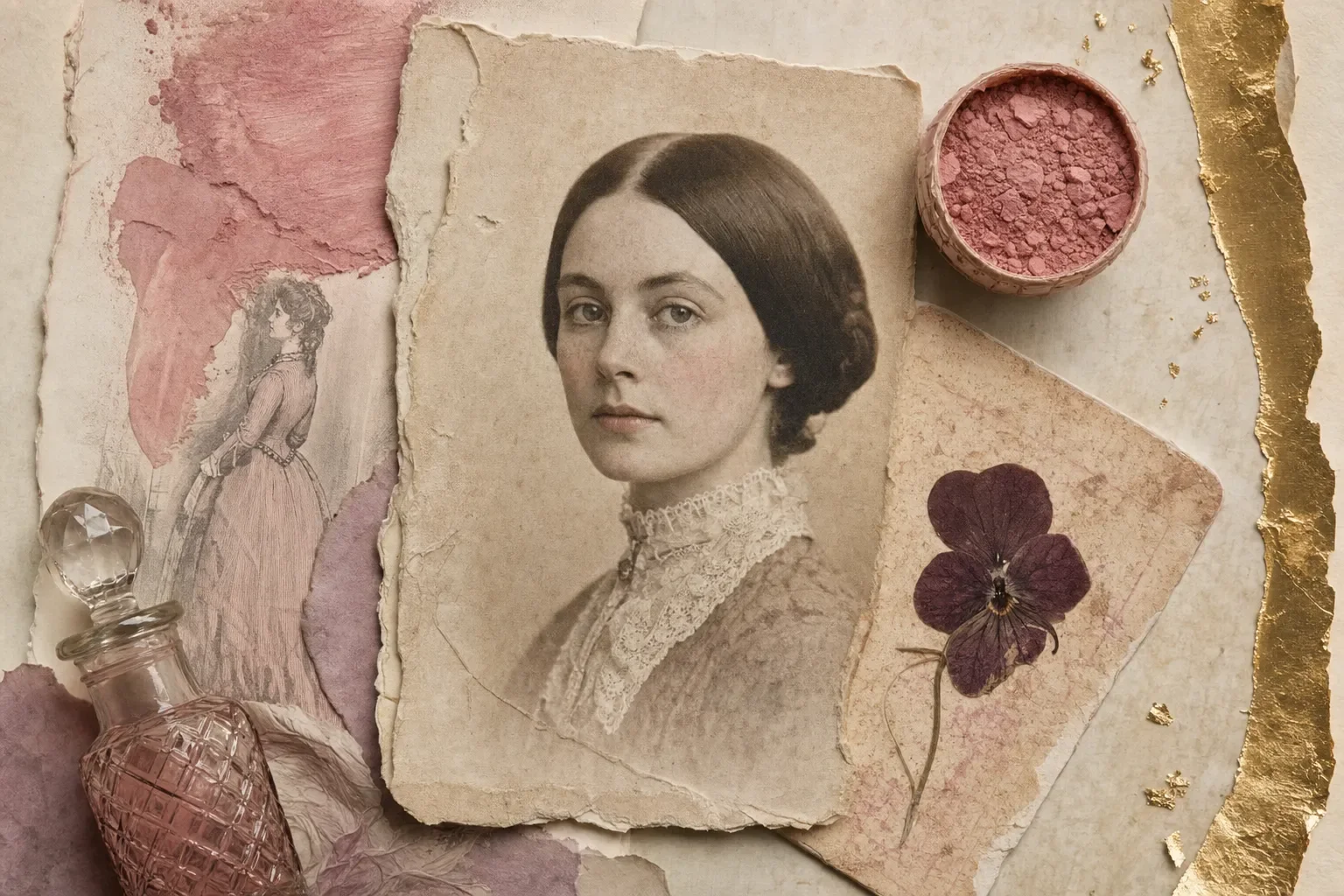
Victorian
Elegance & Etiquette
Victorian respectability held that a lady did not paint — so the cosmetics of the period were sold as medicine, as toilette preparations and as anything but makeup, and bought in enormous numbers.
- 1920 – 1929
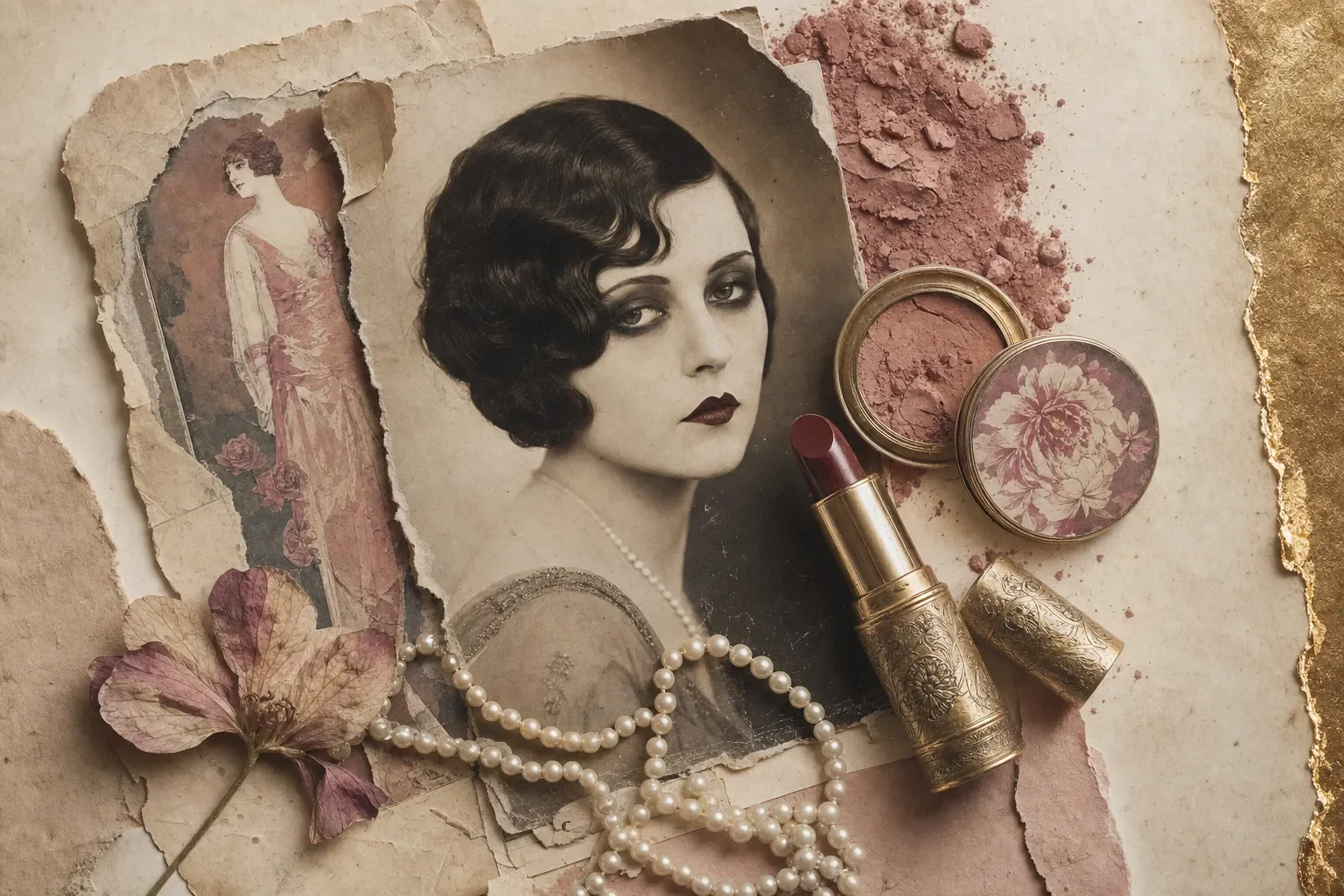
1920s
Rebellion & Modernity
Dark lips, kohl-rimmed eyes and a powdered complexion: the 1920s assembled the face we still recognise as "wearing makeup", and made wearing it in public an ordinary act.
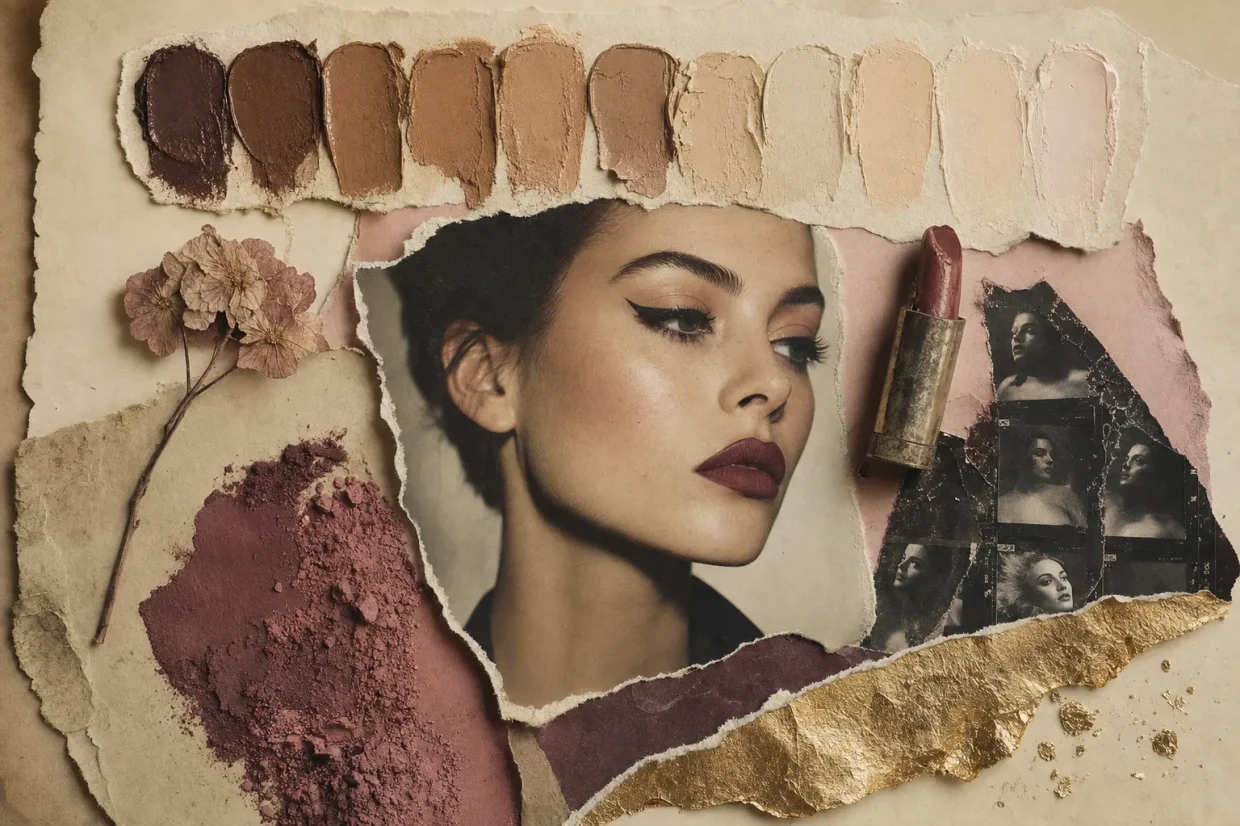
Modern
Self-Expression
From Technicolor foundation to the shade ranges of the 2010s: the modern era industrialised beauty, sold it as fashion, and spent decades arguing about who it was for.
Ten decades inside it, from the 1930s to the 2020s
- 1930 – 1939
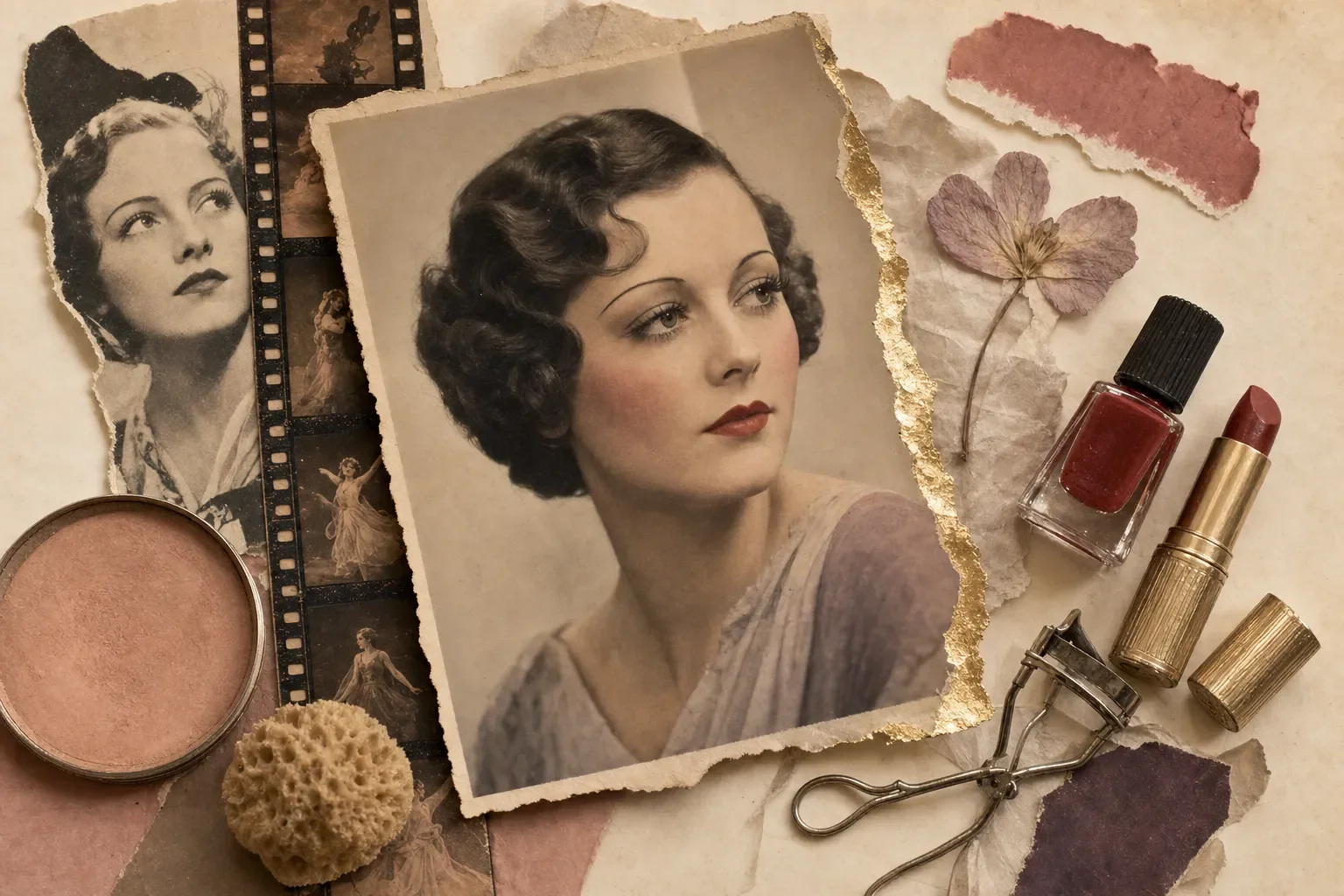
1930s
Screen & Statute
Cream nail enamel matched to the mouth, Hollywood makeup sold to the street, Pan-Cake made for Technicolor, and the 1938 Act that brought cosmetics under federal law: the 1930s turned glamour into an industry and made it answer to a regulator.
- 1940 – 1949
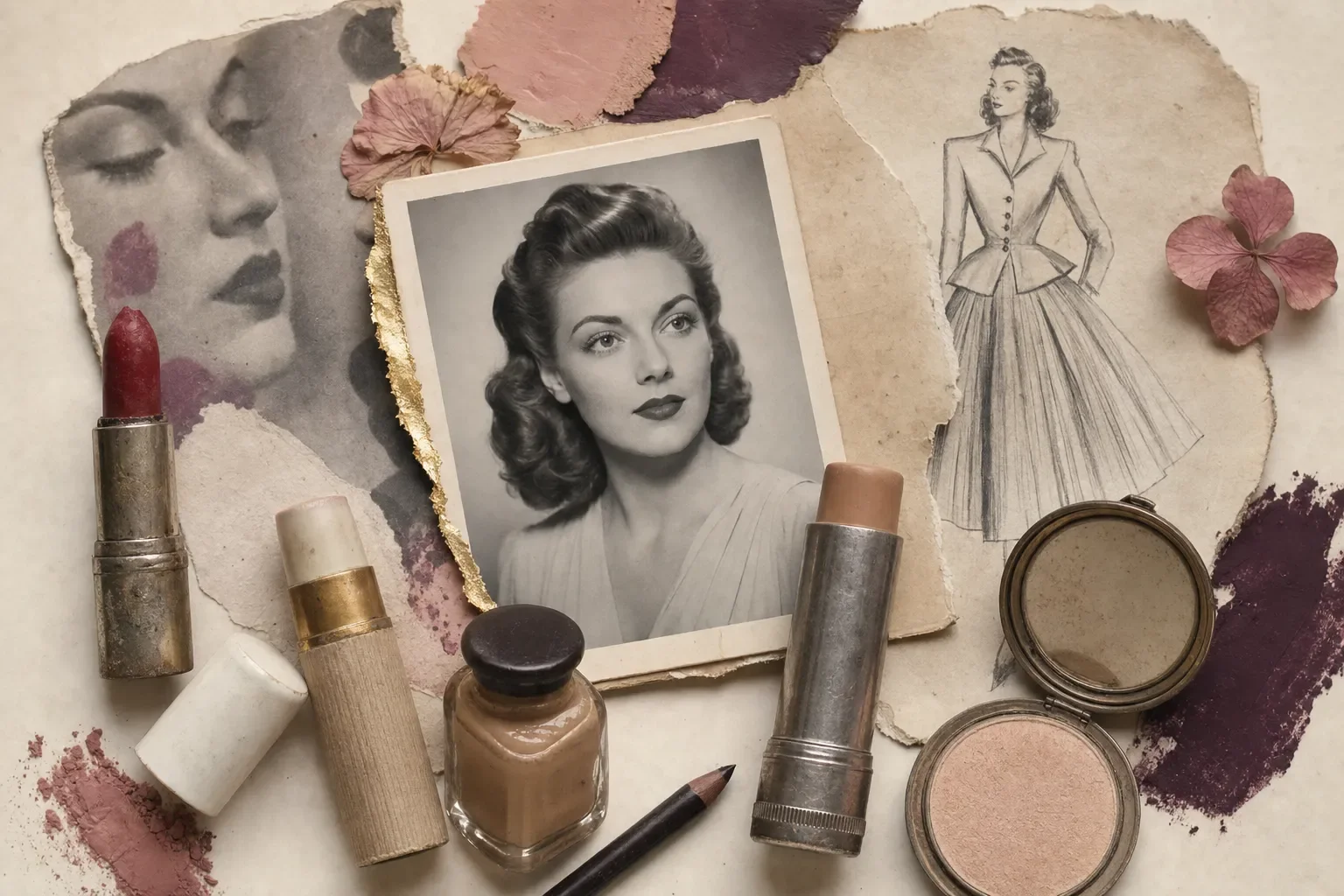
1940s
Morale & Make-Do
Wartime shortages, lipstick as morale, leg makeup for missing stockings and a regulation red for the Women Marines; then the New Look, a counter at Saks and Pan-Stik: the 1940s made do, then started again.
- 1950 – 1959
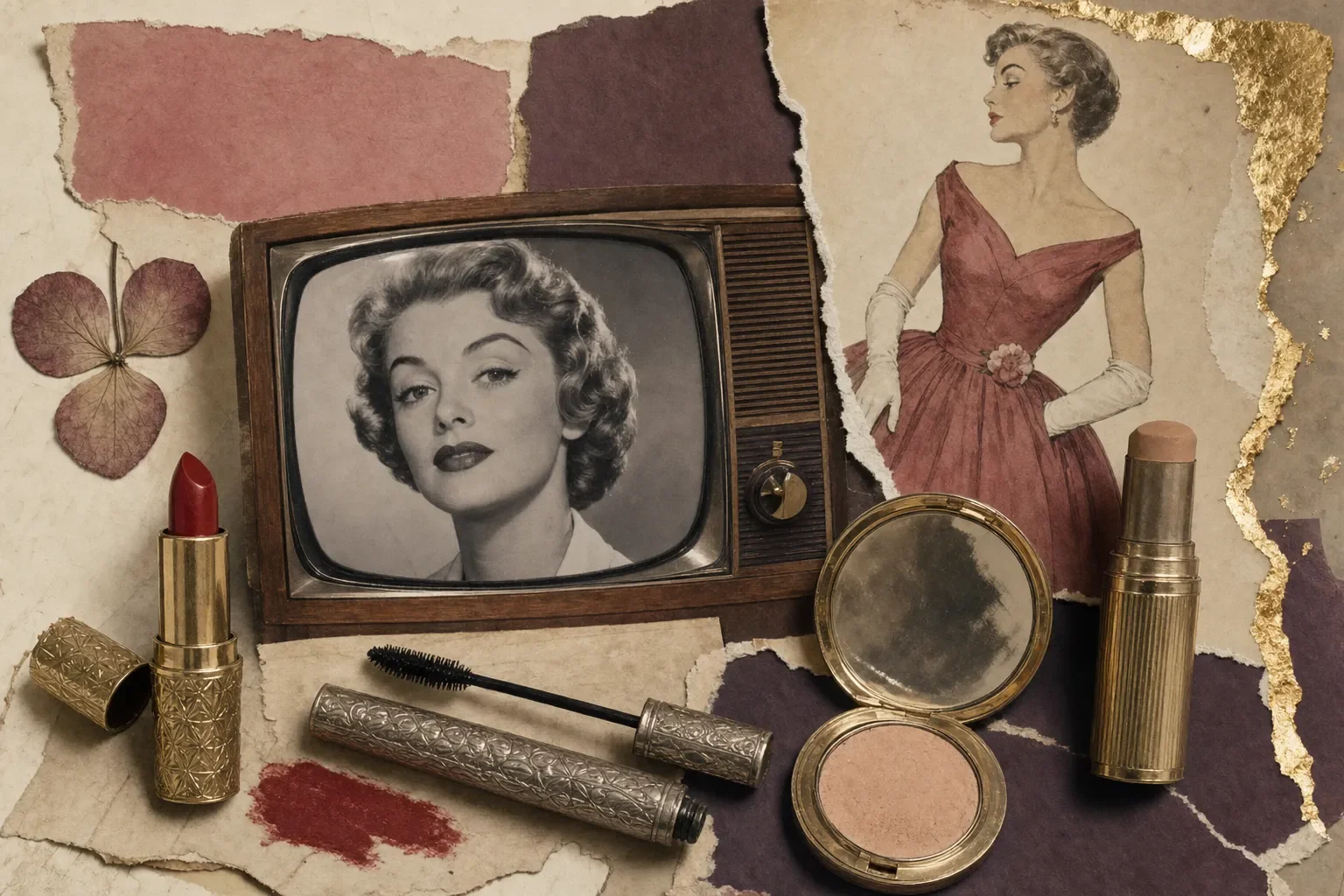
1950s
Polish & Persuasion
Long-wear lipstick, seasonal colour, television sponsorship and the first automatic mascaras: the 1950s finished the face and built the sales machine the industry still runs on.
- 1960 – 1969
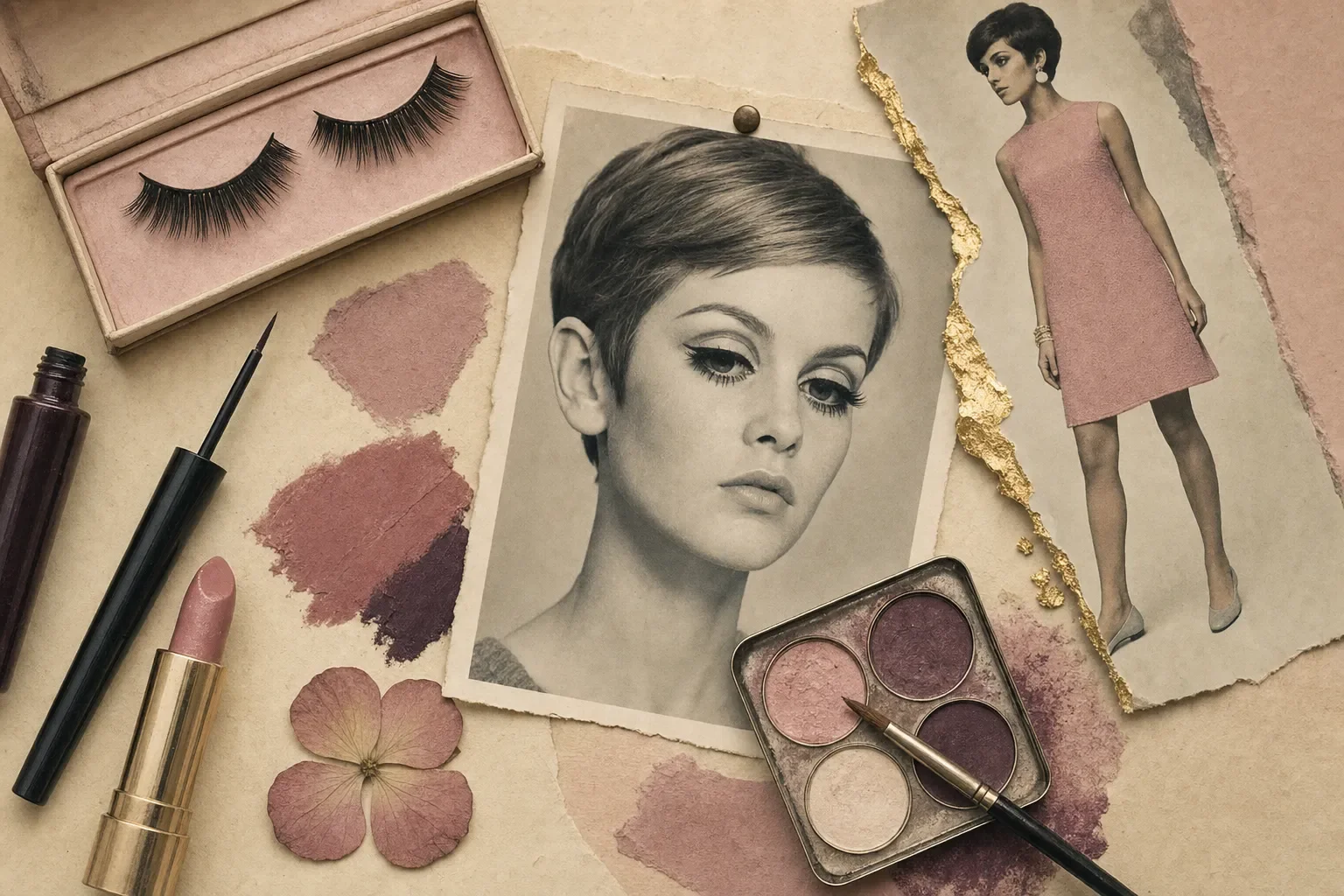
1960s
Youth & Dissent
Medicated makeup for the young, the eye as the centre of the face, false lashes by the million and allergy-tested skin care: the 1960s sold makeup to a new generation, and met an organised argument against it.
- 1970 – 1979
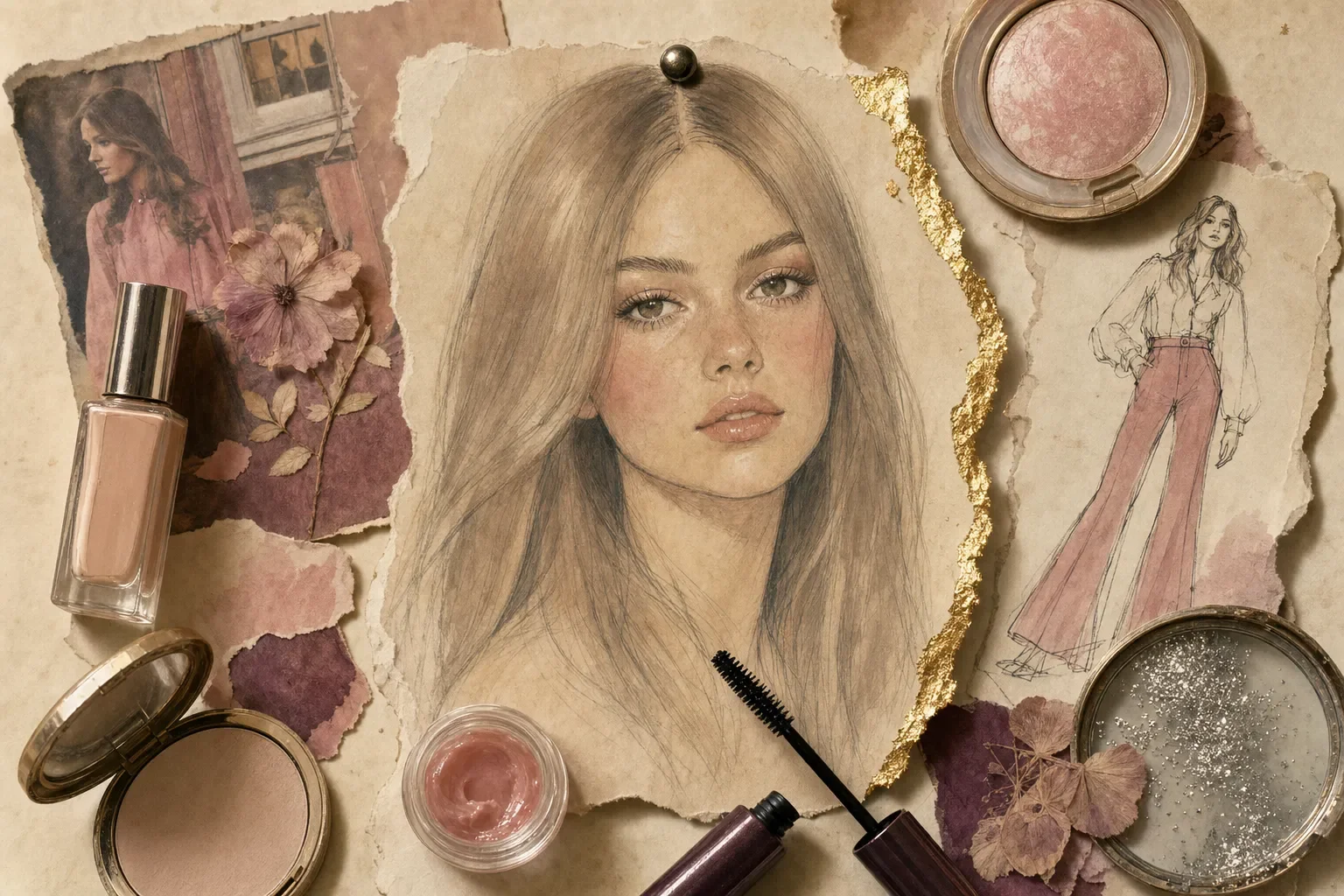
1970s
Nature & Glitter
Sheer bases and skim-on tints sold as the natural look, ingredient lists required on American cosmetic labels, Fashion Fair’s counters for darker skin, and the glam and punk faces that refused it all: the 1970s made naturalness a product, and argued with it.
- 1980 – 1989
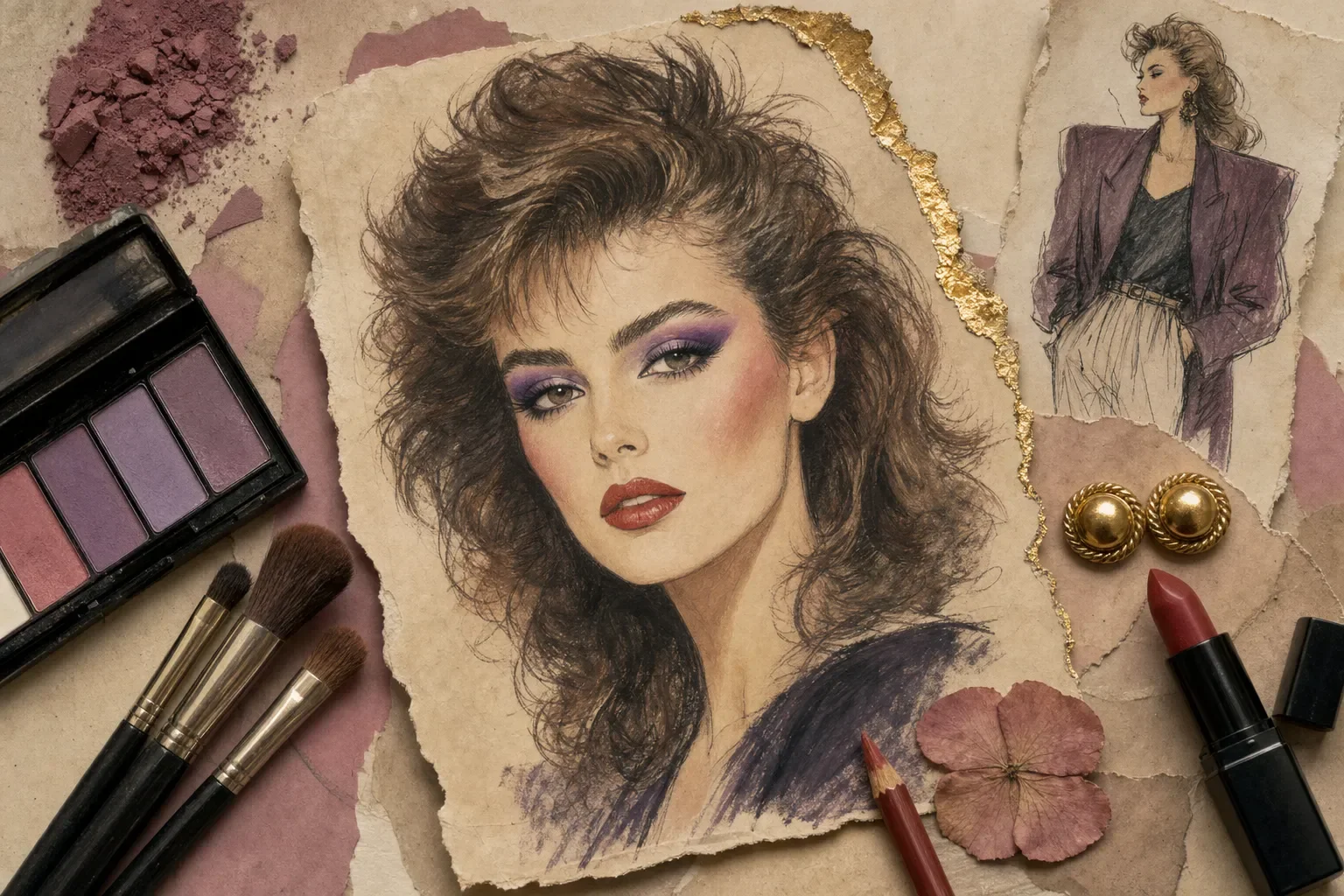
1980s
Colour & Conscience
Club makeup in London, the face of a house under contract, the makeup artist’s own brand and a decade-long campaign against animal testing: the 1980s made the face a statement, and asked what it had cost.
- 1990 – 1999
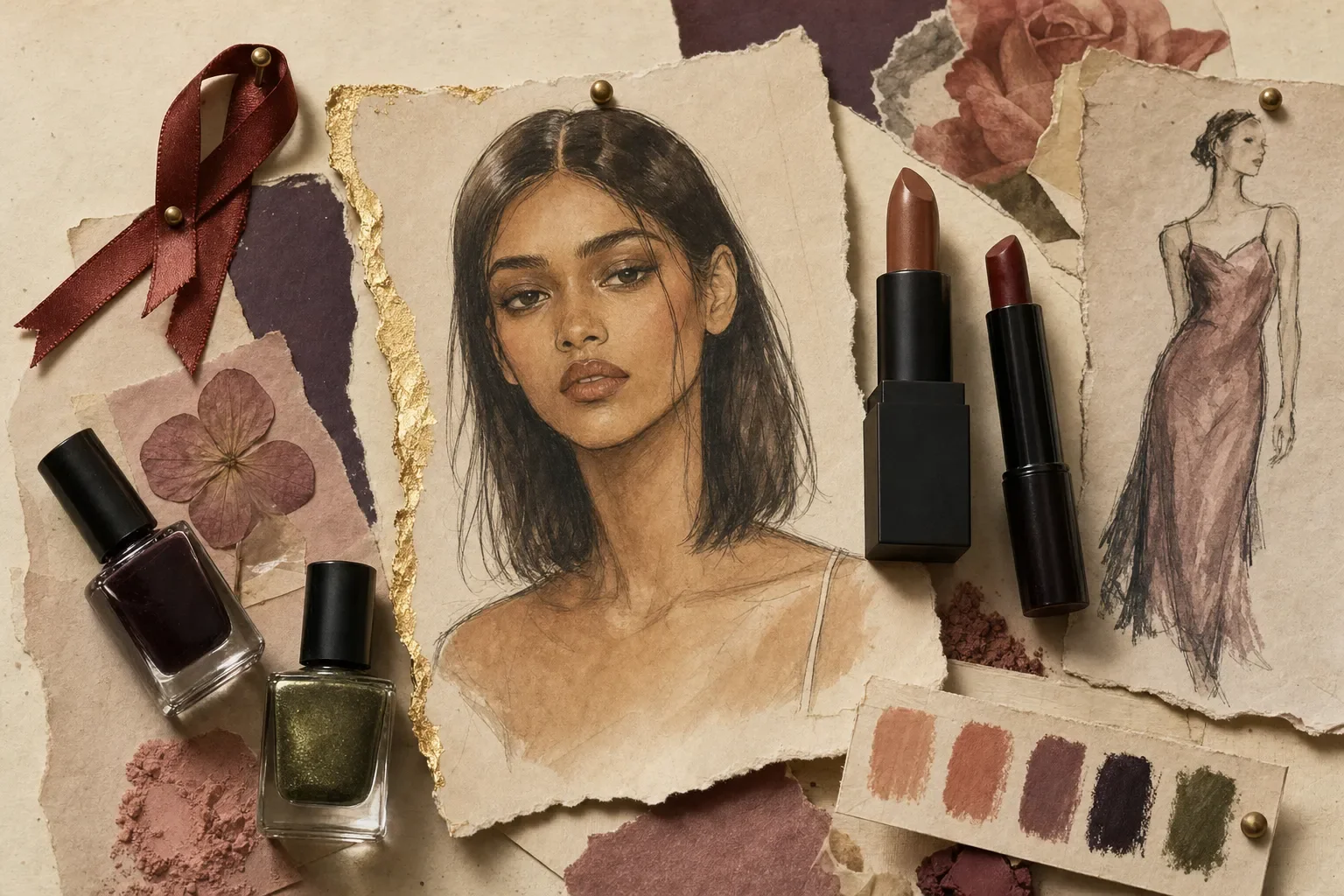
1990s
Artists & Outsiders
Makeup artists’ lines, a lipstick sold for an AIDS fund, colours against pink, wider ranges and the open shelf: the 1990s handed makeup to the people who did it for a living, and to customers the counter had overlooked.
- 2000 – 2009
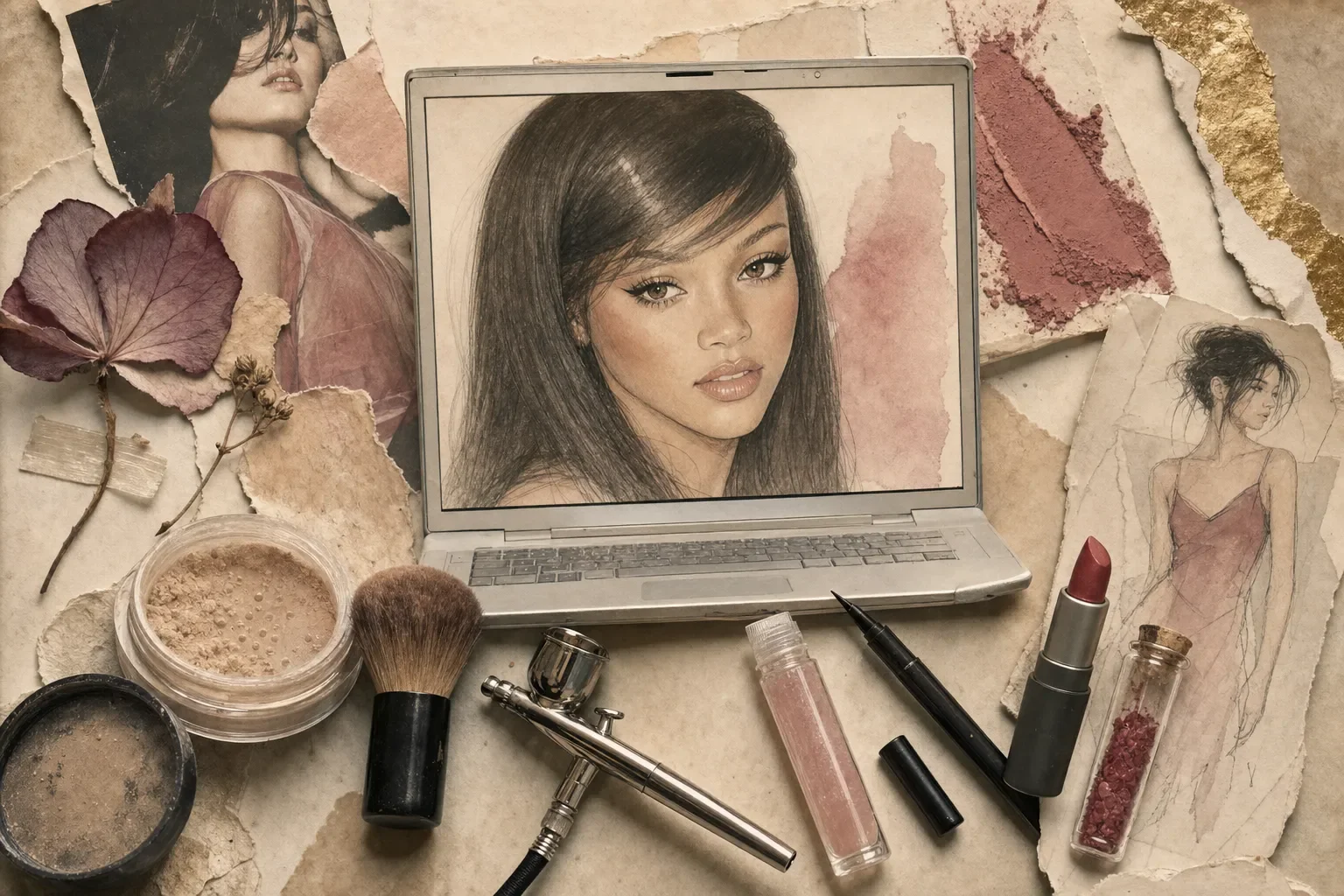
2000s
Screens & Scrutiny
A testing ban and a longer label in Europe, mineral makeup sold on television, lead in lipstick argued in public, makeup made for high-definition cameras and tutorials on YouTube: the 2000s put the face under a closer look.
- 2010 – 2019
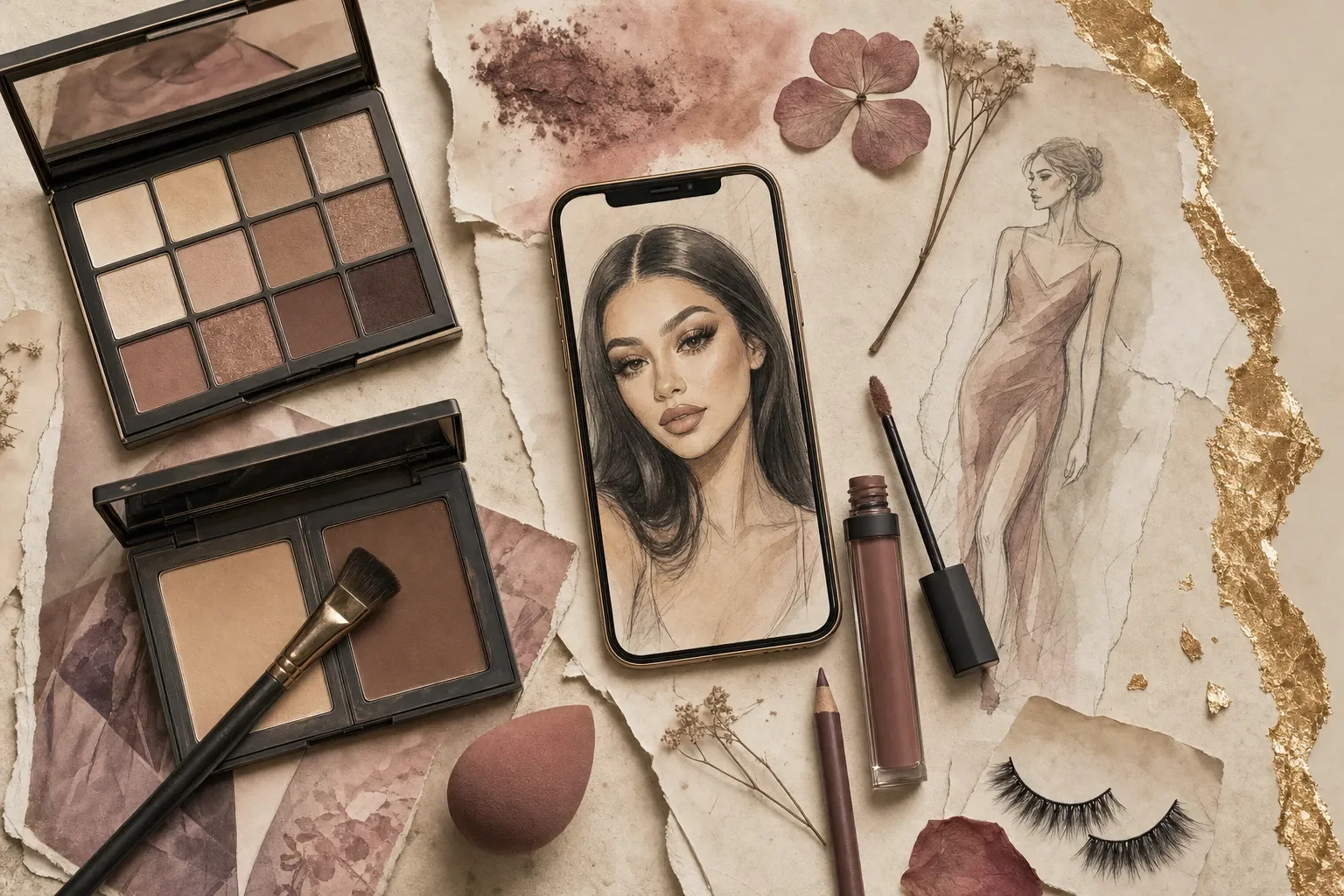
2010s
Feeds & Founders
Instagram and the front-facing camera, the neutral eyeshadow palette and the contour kit, brands sold straight from a following, the EU’s ban on animal-tested cosmetics and the forty-shade foundation: the 2010s made the face something to be photographed, and made the industry count whom it served.
- 2020 – Today
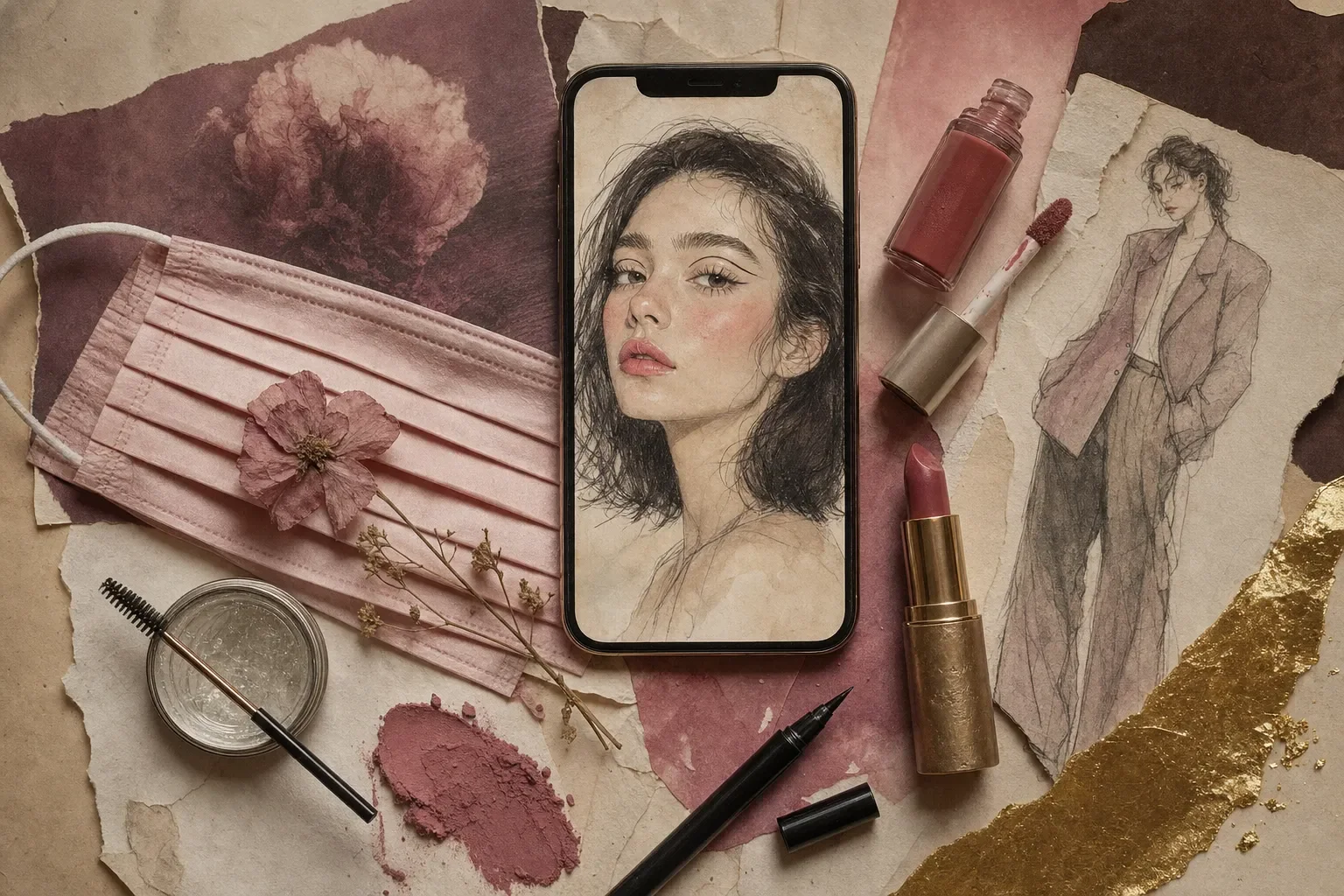
2020s
Masks & Mandates
Masks moved makeup to the eyes, short videos moved the tutorial onto the phone and in front of younger buyers, and regulators in Washington, Beijing and Brussels rewrote what a cosmetic must prove: the 2020s, to the autumn of 2026.