A more beautiful perspective
History of Makeup is a reference for the history of beauty — what people wore, what it was made of, and what it meant.
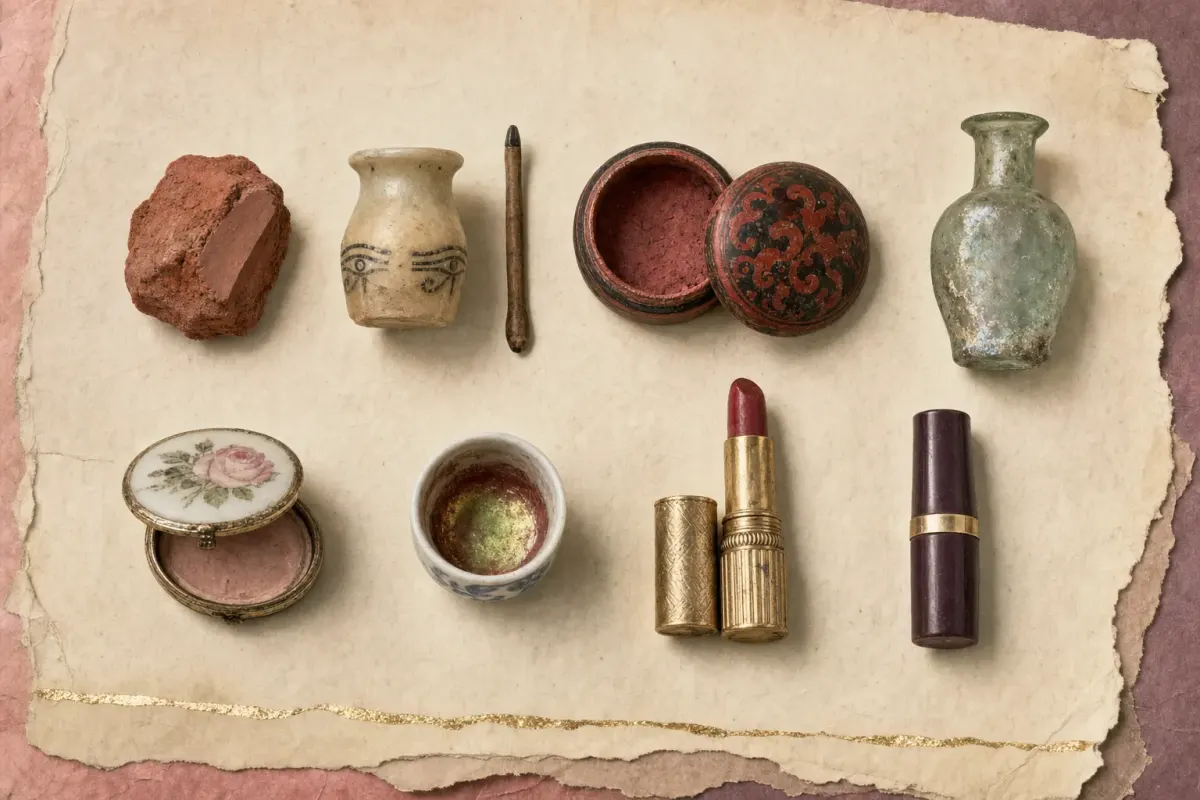
The archive today
- Articles
- 131
- Product guides
- 161
- Ingredients
- 40
- Sources cited
- 864
- Places on the atlas
- 94
- Hours of narration
- 16.8
Makeup has one of the longest continuous histories of any human craft and one of the least reliable records. It has been written about as vanity, as scandal, as trivia — rarely as what it actually is: a material practice with chemistry, economics, technique and meaning behind every choice. This site treats it as the second thing.
Two halves
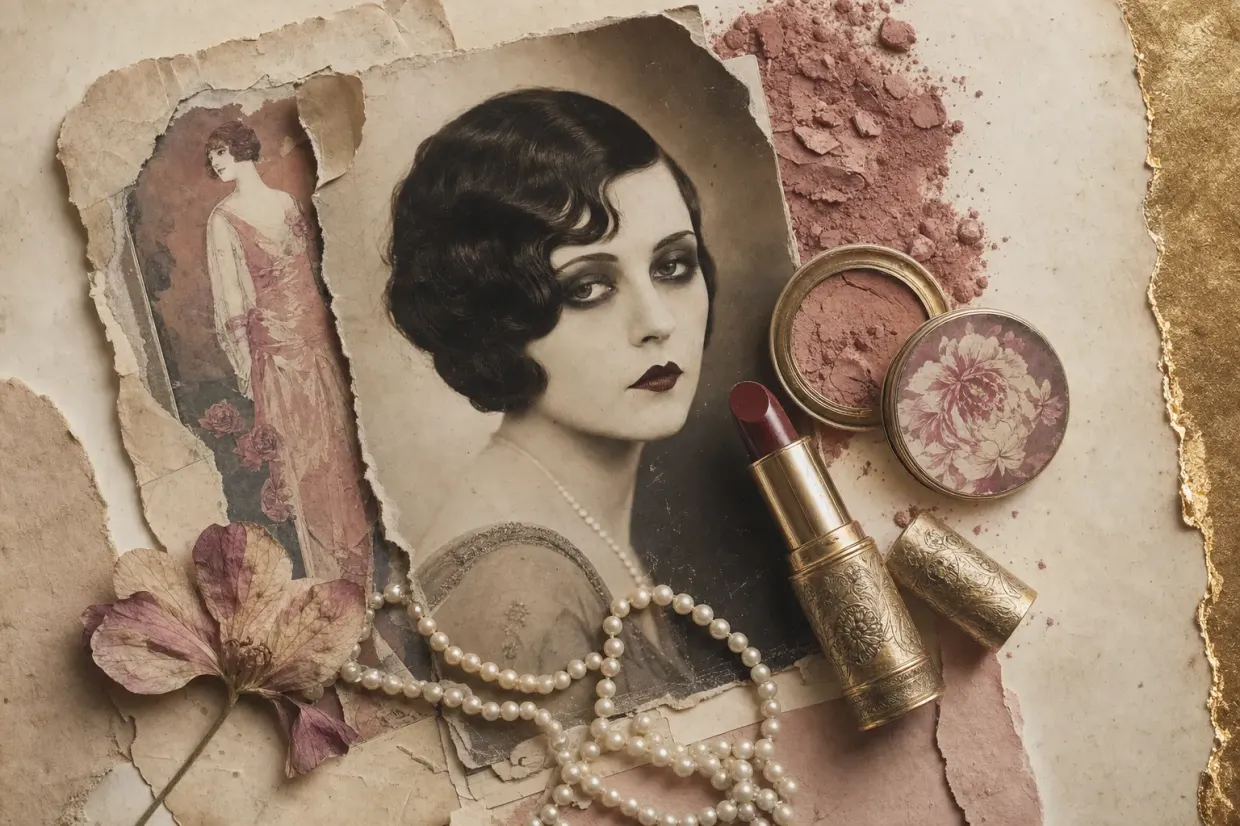
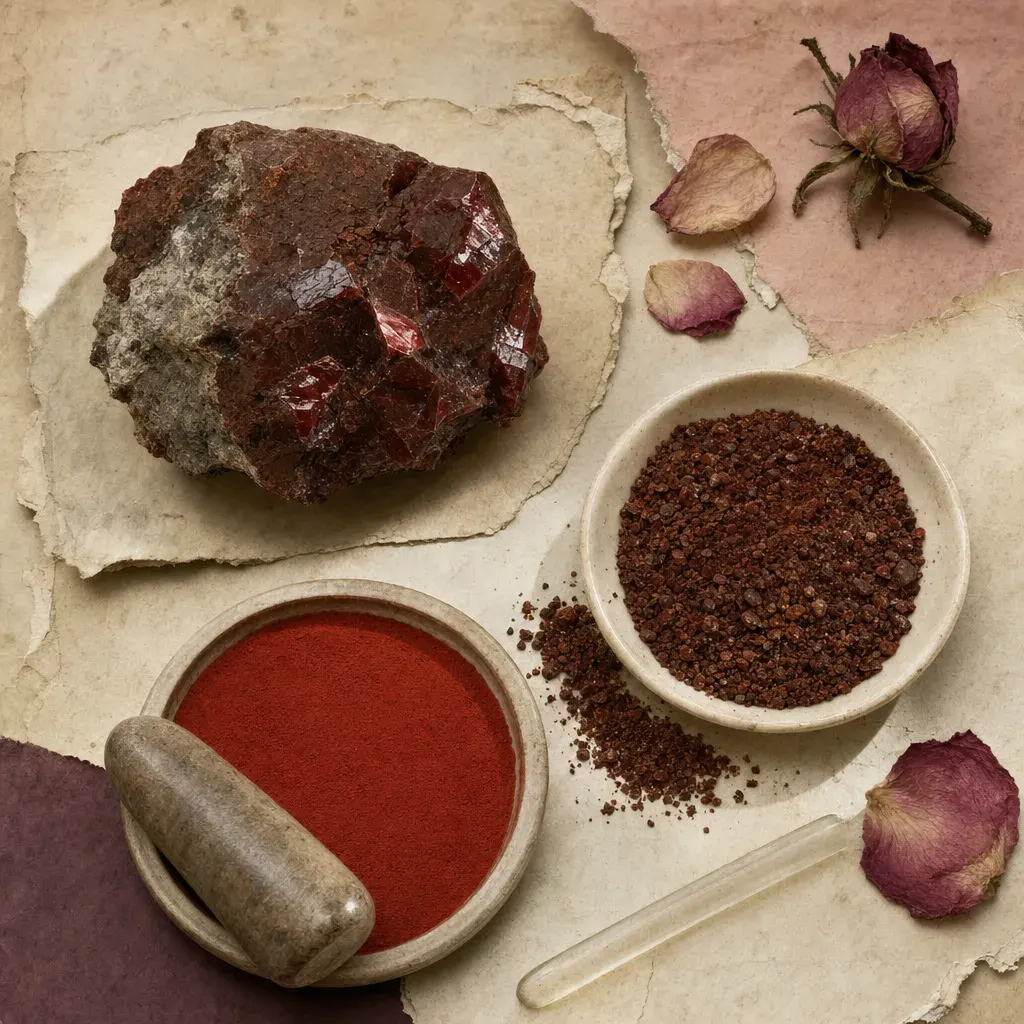
What it was made of
Alongside them sits a dictionary of makeup ingredients — what each one is, where it came from, what it does, and what is actually known about its safety.
The two halves answer different questions and are meant to be read together: an article tells you what a face looked like in 1924, and the dictionary tells you what it was made of.
What this site is careful about
Beauty history is unusually full of confidently-repeated fiction. Victorian women did not widely eat arsenic wafers for complexion. Cleopatra's cosmetics are described far more precisely than the evidence allows. These stories survive because they are enjoyable and because nobody checks.
So the rule here is simple and mechanical:any claim attached to a date carries a citation, and the build refuses to publish a section that breaks it.
That is not a promise of perfection — it is a constraint that makes the errors findable. Where the evidence is thin, the article says so rather than choosing the better story.
How the articles are sourcedWho writes it
The research, writing and editing are done by the site's editorial team working from published scholarship, primary sources, museum catalogues and patent records. The full method, including where software assists and where it does not, is set out in Editorial Standards.
Corrections
If something here is wrong, it should be fixed. Corrections are made to the article itself, with the change noted, rather than quietly. Write to hello@historyofmakeup.com, or through the form below, with the page and the source, and it will be looked at.
Commercial links
Some articles link to products a reader can buy, and some of those links earn a commission. Nothing is written because it can be sold, and the arrangement is described in full in the affiliate disclosure.
Write to us
Choose what you are writing about and write to us here. We answer by email.
Or write from your own mail to hello@historyofmakeup.com