The Medieval Era
Medieval Makeup: Piety, Pallor and the Recipes Behind Both
A thousand years in which painting the face was condemned from the pulpit and written down, in detail, by physicians.
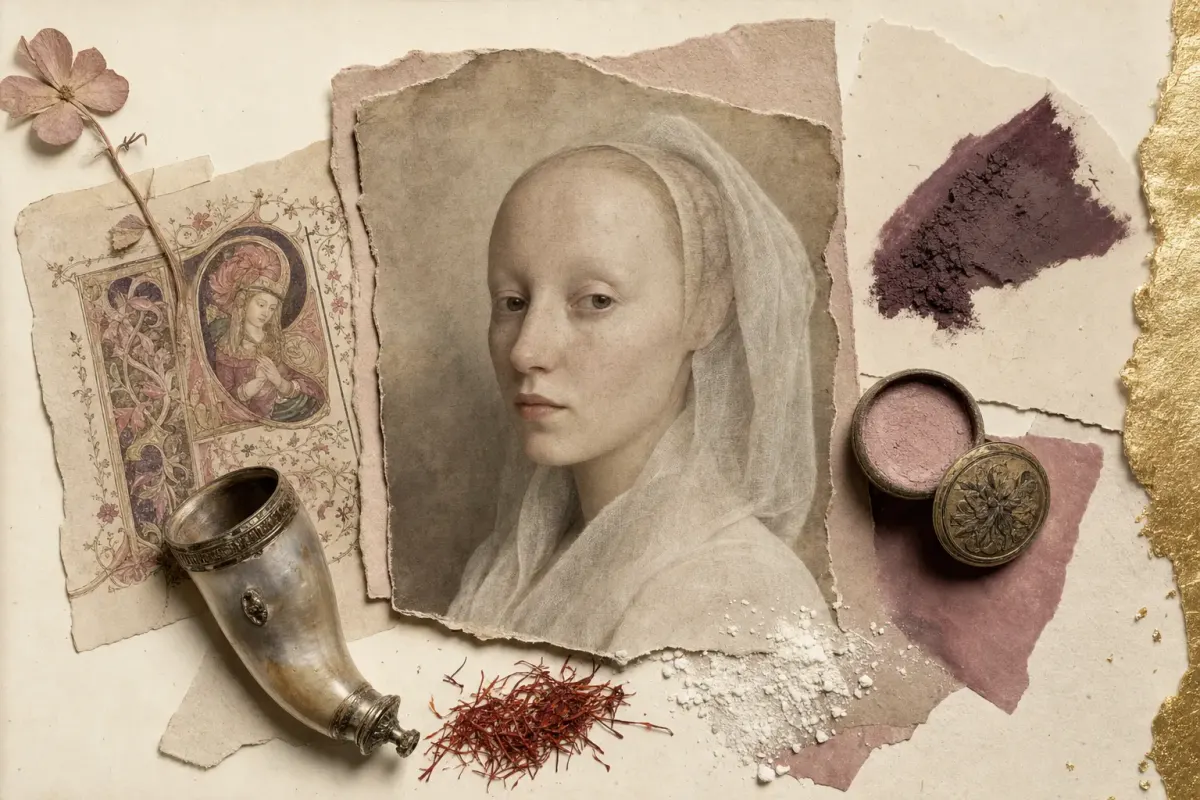
500 – 1500Faith & Adornment
- 19articles
- 5moments
- 9min read
The Medieval Era: The Chronology
5 moments · 5 open an article
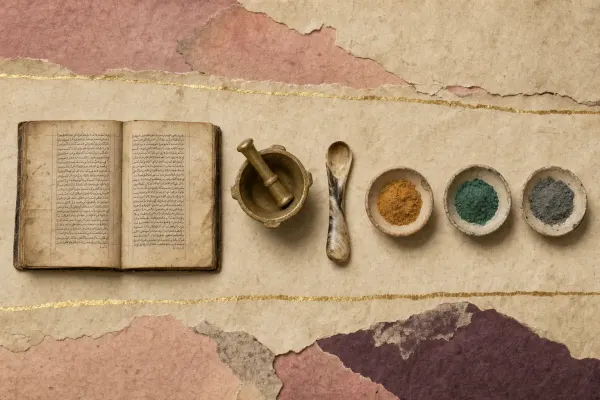
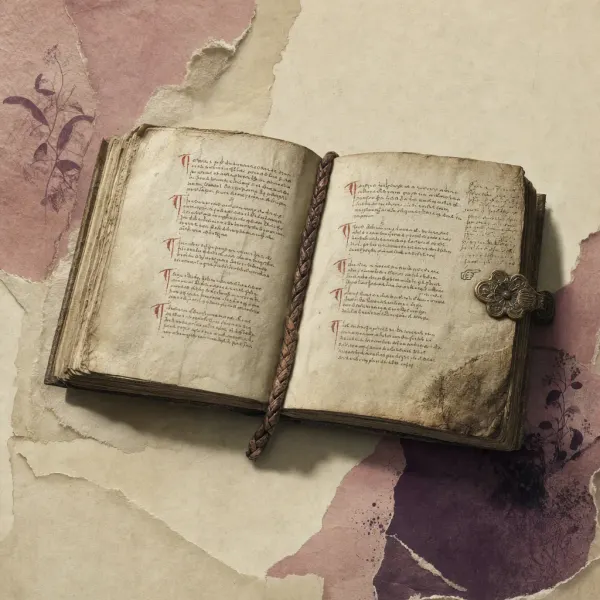
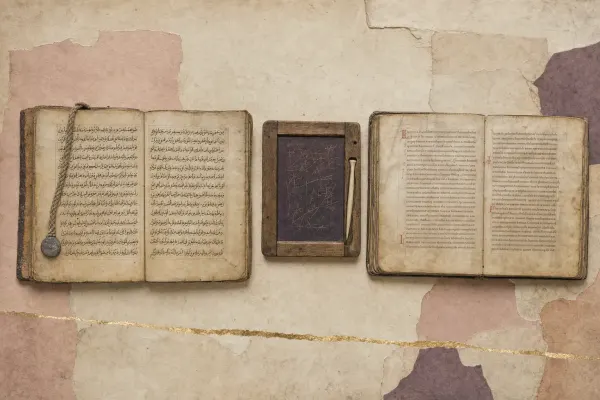
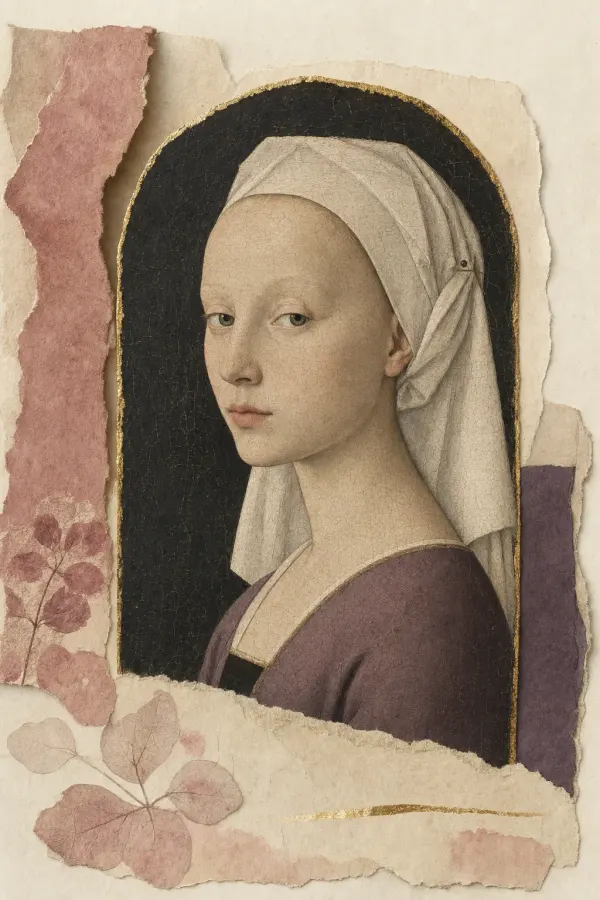
In short
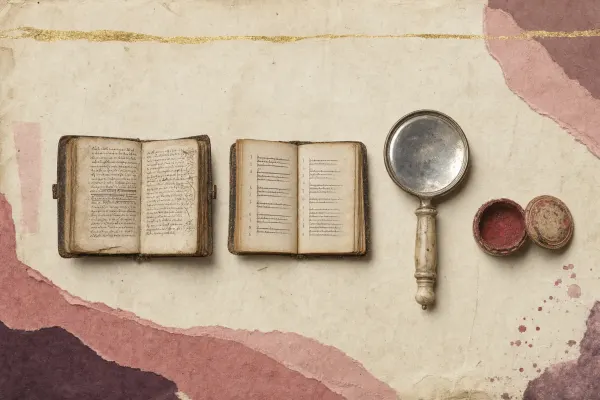
Medieval Europe condemned cosmetics as an interference with God’s work while its physicians wrote them down as medicine: the twelfth-century Salernitan compendium known as the Trotula devotes an entire treatise, De ornatu mulierum, to preparations for the skin, hair, teeth and face.
The Medieval Era at a Glance
- Pale and PlainThe ideal face looked untouched, whatever it took.
- High ForeheadThe hairline was plucked back; brows thinned almost away.
- Written as MedicineCosmetic recipes survive inside medical compendia.
- Under SuspicionVisible paint was a moral charge, not just a style.
In the Medieval Era
Faith & Adornment
19 articles across 4 collections
Showing 18 of 19

Explore Further
Cultures
The same question, answered elsewhere
Ingredients
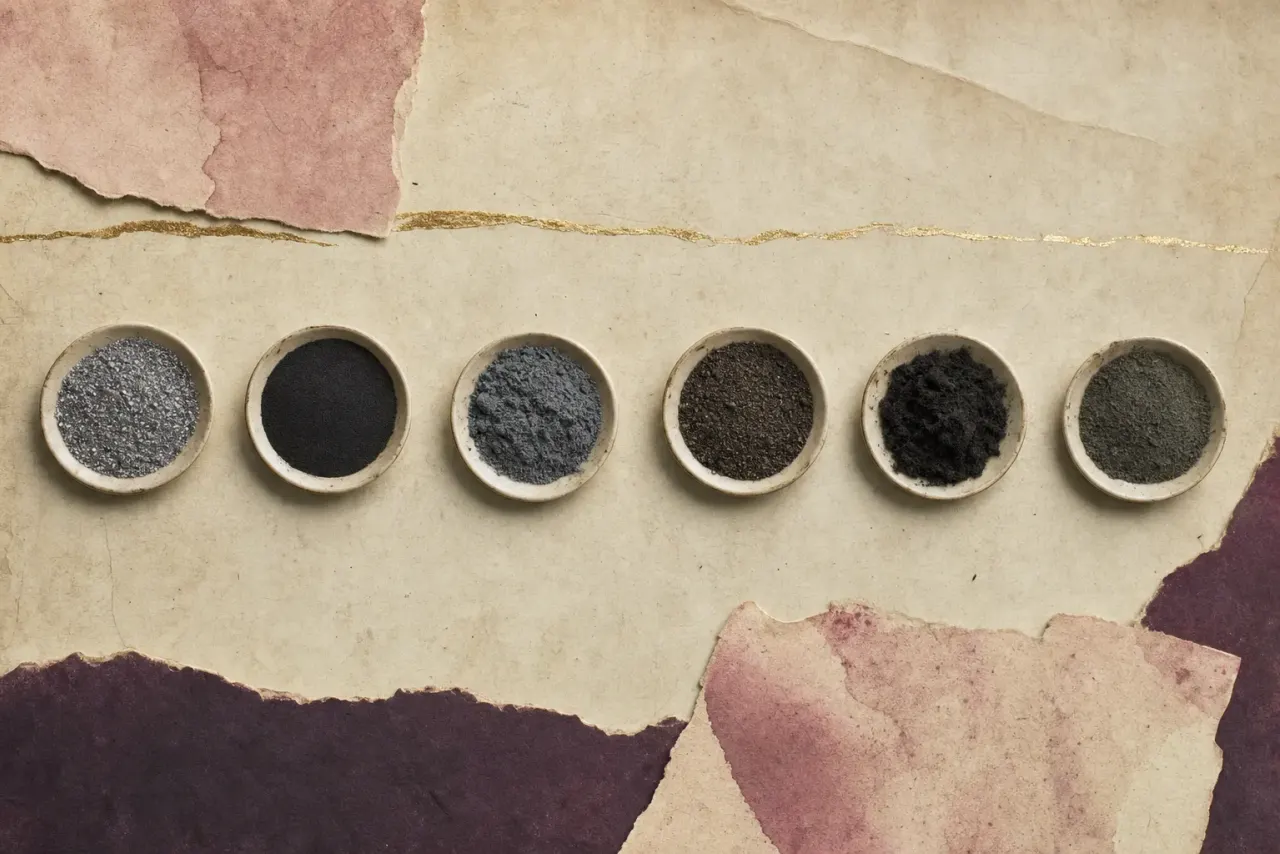
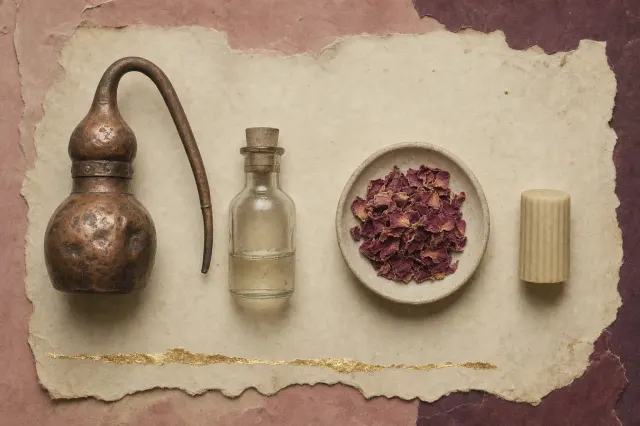
What the face was made of
More stories
The rest of the collection