Two-way cake foundation
A pressed foundation made to be used two ways: dry for a light veil, or with a damp sponge for real coverage. What it is, how to use it each way, who it suits — and where the idea came from.
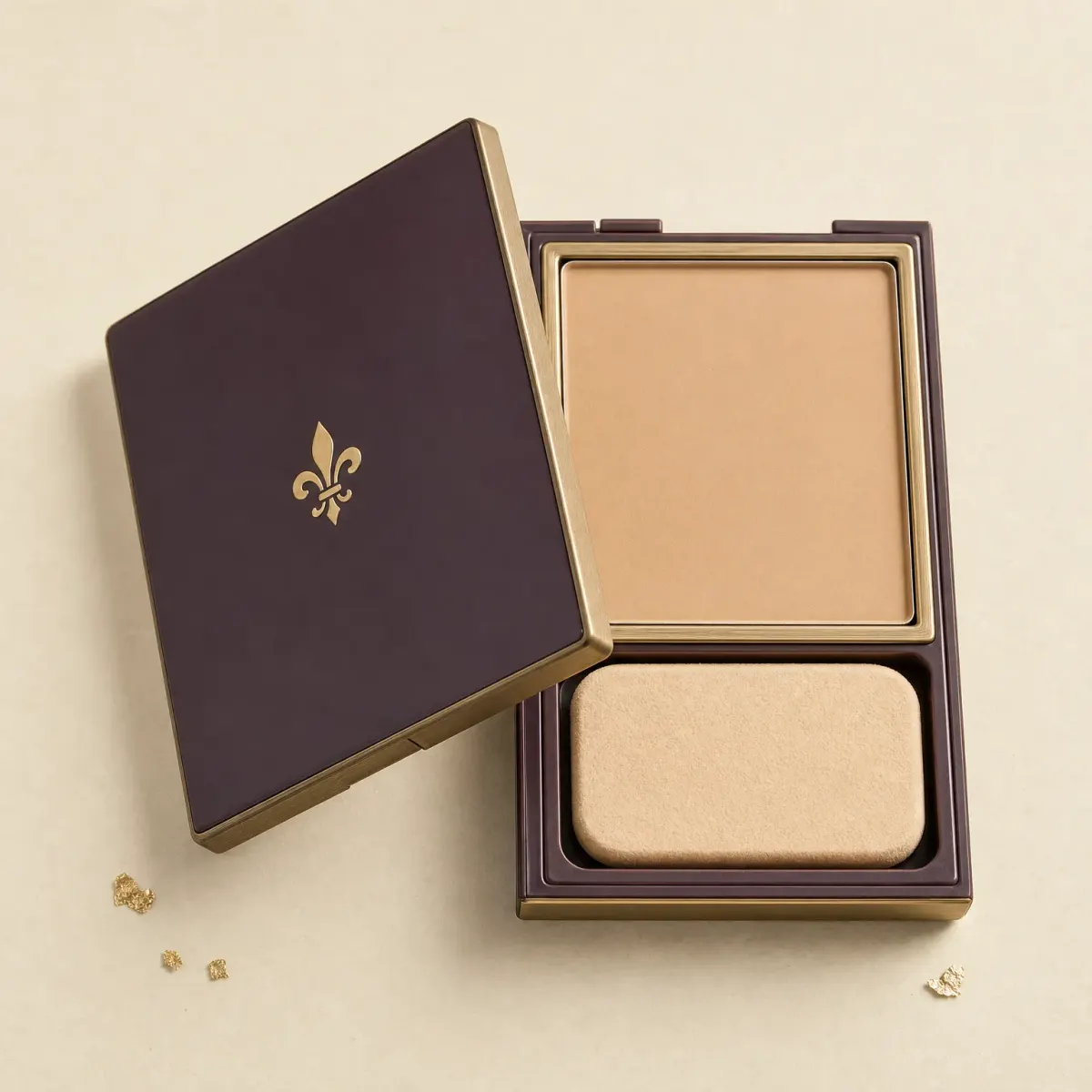
A two-way cake is a pressed powder foundation made to be applied either dry, for a sheer matte finish, or with a dampened sponge, for fuller, creamier coverage.
Our picks
Every pressed foundation below is sold by its maker to be used wet or dry, and each opens where that maker sells it on Amazon; you choose your shade on that page. Few two-way cakes are sold to US readers by the houses that make them, and only those are carried.
As an Amazon Associate I earn from qualifying purchases. Affiliate links — we may earn a commission at no extra cost to you. How this works
Japanese housePrestige Shiseido
Synchro Skin Self-Refreshing Custom Finish Powder Foundation
A Japanese house’s two-way foundation, made to hold through sweat, humidity and a long day.
- Wet or dry
- Sheer to medium
Full coverageMid-range bareMinerals
BAREPRO 24HR Skin-Perfecting Powder Foundation
Full coverage in a talc-free cake, from a house better known for loose mineral foundation.
- Wet or dry
- Full coverage
- Talc-free
Creamy powderPrestige Lancôme
Dual Finish Powder Foundation
Sold as a creamy powder that behaves like a liquid when used wet and sets make-up when used dry.
- Wet or dry
- Sheer to full
- Natural matte
A two-way cake is a pressed foundation — pigment, fillers and a little binder compressed into a pan — made to be used in two ways. Picked up with a dry sponge or brush, it goes on as a sheer, matte veil, much like any powder foundation. Picked up with a dampened sponge, it goes on as a thin, creamy layer with far more coverage, closer to a liquid; as it dries, it sets back to a powder finish. The same compact therefore does two jobs: an everyday base and a quick touch-up.
That double use is what separates it from its neighbours. An ordinary powder foundation is made to be applied dry and can streak or harden if it is wetted. A water-activated cake, the old stage and screen base, has to be used wet. A cushion compact holds a liquid foundation in a sponge. The two-way cake sits between them. It is most at home in Japan and elsewhere in East and South-East Asia, where it is often sold simply as a “two-way cake” or a “pact”.
Dry or wet
Dry, a two-way cake is at its lightest. Press the sponge that comes with it, or a dense brush, into the pan, tap off the excess, and press or sweep it over moisturised skin from the centre of the face outward. It evens tone and takes down shine without much cover, and it is the way to use the compact for touch-ups during the day: blot first, then press a little on.
Wet, it becomes a foundation. Dampen the sponge and squeeze it until it is barely moist — it should feel cool, not wet — then press it into the cake and press and pat it over the skin rather than dragging it. The layer goes on creamier and more opaque, and dries in a minute or two to a soft matte finish. Use it wet over the whole face for a full base, or only where you need more cover, and dry everywhere else.
A sponge that is too wet leaves the cake glazed and hard in patches, and puts down a streaky, uneven layer. If the surface of the pan has hardened and no longer picks up, rub it gently with a clean, dry sponge or tissue to lift the top layer.
The two ways also combine. Many people lay the base down wet, let it dry for a minute, and then press a light dry layer over the centre of the face to set it and take down shine — one compact doing the work of a foundation and a setting powder. Keep the sides of the sponge separate if you can, one for wet use and one for dry, so that damp powder is not pressed back into the pan.
Who it suits
Two-way cakes have long been sold for hot, humid weather, and they still suit it best: oily and combination skin, hot summers, and days when a liquid would slide. Used wet over a light moisturiser, it can suit normal skin too. Very dry skin is the exception — powder of any kind can cling to flaky patches — and there a cream or liquid is kinder, or a two-way cake used wet over a richer moisturiser, left to settle before the foundation goes on.
Choose the shade dry and wet: a two-way cake often looks a touch deeper and more saturated used wet than it does used dry, so check both on the jaw in daylight. And keep the sponge clean. A damp sponge closed back into a compact is warm, dark and moist, and a spare, washed with a mild soap and dried completely between uses, is worth keeping.
Where it came from
The two halves of the idea are older than the product. The damp sponge came from the film studios: Max Factor’s Pan-Cake, developed for Technicolor, was a cake applied with a moistened sponge and was released to the public in 1938.[1] The dry compact foundation came after the war. Pond’s Angel Face of 1946 was a pressed powder-cream applied with a puff, not with the wet sponge cake make-up needed, and was advertised with the words “no water, no greasy fingertips”.[2]
In Japan the two came together. According to Shiseido’s own account, it launched Shiseido Beauty Cake in 1960 as a “summer make-up” made to resist sweat, finished with a sponge moistened with water, a method the company says was popular in hot weather.[3] The same account says that in 1979 its Natsuko Beauty Pact, usable “with or without water”, became a major hit.[3] Kosé’s own chronology lists, in the same year, the launch of its water-and-dry dual-use foundation, 2-Way Cake.[4]
Both dates come from the companies themselves. No independent record has been found here of who made the first two-way foundation, and neither company’s history, as read here, claims to have done so; accounts that credit a single Japanese house with inventing it rest on no source seen here. What the record does show is that by the end of the 1970s the wet-or-dry compact was established in Japan, sold by two of its largest cosmetics houses in the same year.
The techniques
- Press
- Press product onto the skin without dragging, so it stays where it is put.
- Pat
- Tap lightly with a fingertip or damp sponge so product melts in rather than moves.
Sources
- [1]Pan-Cake Make-up Cosmetics and Skin, 2026.View source (opens in a new tab) Accessed 2026-09-22.
- [2]Pond's Extract Company Cosmetics and Skin, 2011.View source (opens in a new tab) Accessed 2026-09-25.
- [3]資生堂のファンデはどうやって進化していったの? (How did Shiseido’s foundations evolve?) Shiseido, Foundation 100 Questions and 100 Answers.View source (opens in a new tab) Accessed 2026-09-25.
- [4]コーセーの歴史 (KOSÉ’s history) KOSÉ Corporation.View source (opens in a new tab) Accessed 2026-09-25.
What to apply it with

Other kinds of foundation & tinted base
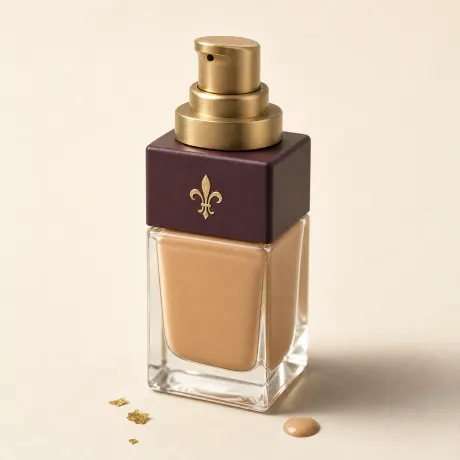
Liquid foundation
The standard base: pigment suspended in a fluid, in shades matched to the skin.
Read the guide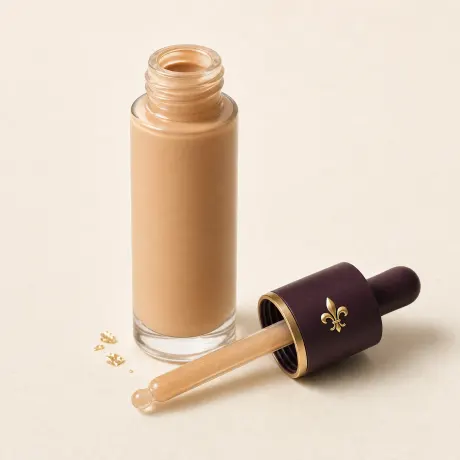
Skin tint
A watery, sheer base that evens tone while letting skin show through.
Read the guide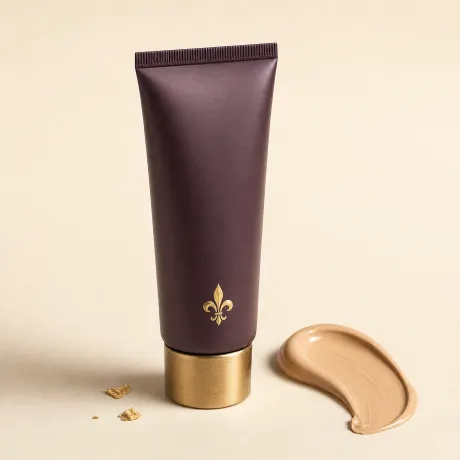
Tinted moisturiser
A moisturiser with a little pigment in it — often with sunscreen — for the lightest base.
Read the guide
BB cream
A skincare-leaning base that tints, smooths and usually protects in one step.
Read the guide
CC cream
A light base built to neutralise redness or sallowness rather than simply cover it.
Read the guide
Cream foundation
A dense, emollient base with high coverage, suited to dry skin and to photography.
Read the guide
Stick foundation
Cream foundation set into a twist-up stick, for targeted coverage and travel.
Read the guide
Powder foundation
Foundation pressed into a powder cake, for a quick matte base in one step.
Read the guide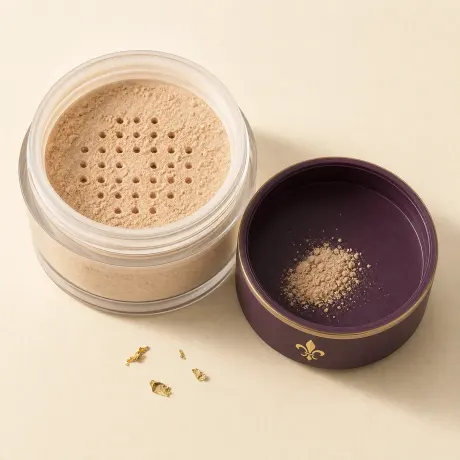
Loose mineral foundation
Foundation as a loose, finely milled mineral powder, buffed in to build coverage.
Read the guide
Cushion foundation
Liquid foundation soaked into a sponge cushion inside a compact, picked up with a puff.
Read the guide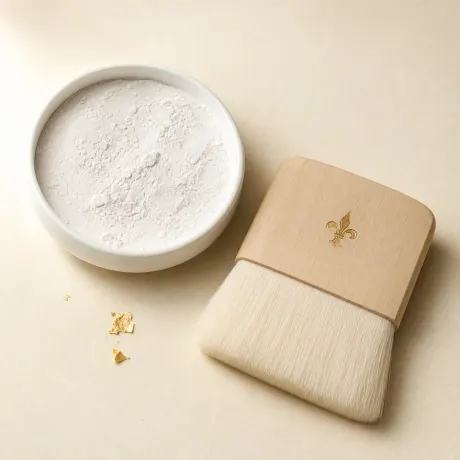
Oshiroi
Japanese white face powder, mixed with water to a paste and laid on with a broad flat brush.
Read the guide