Micellar water
A no-rinse cleanser that looks like water because it nearly is. What is in the bottle, what it will and will not take off, whether to rinse — and the disputed story of where it came from.
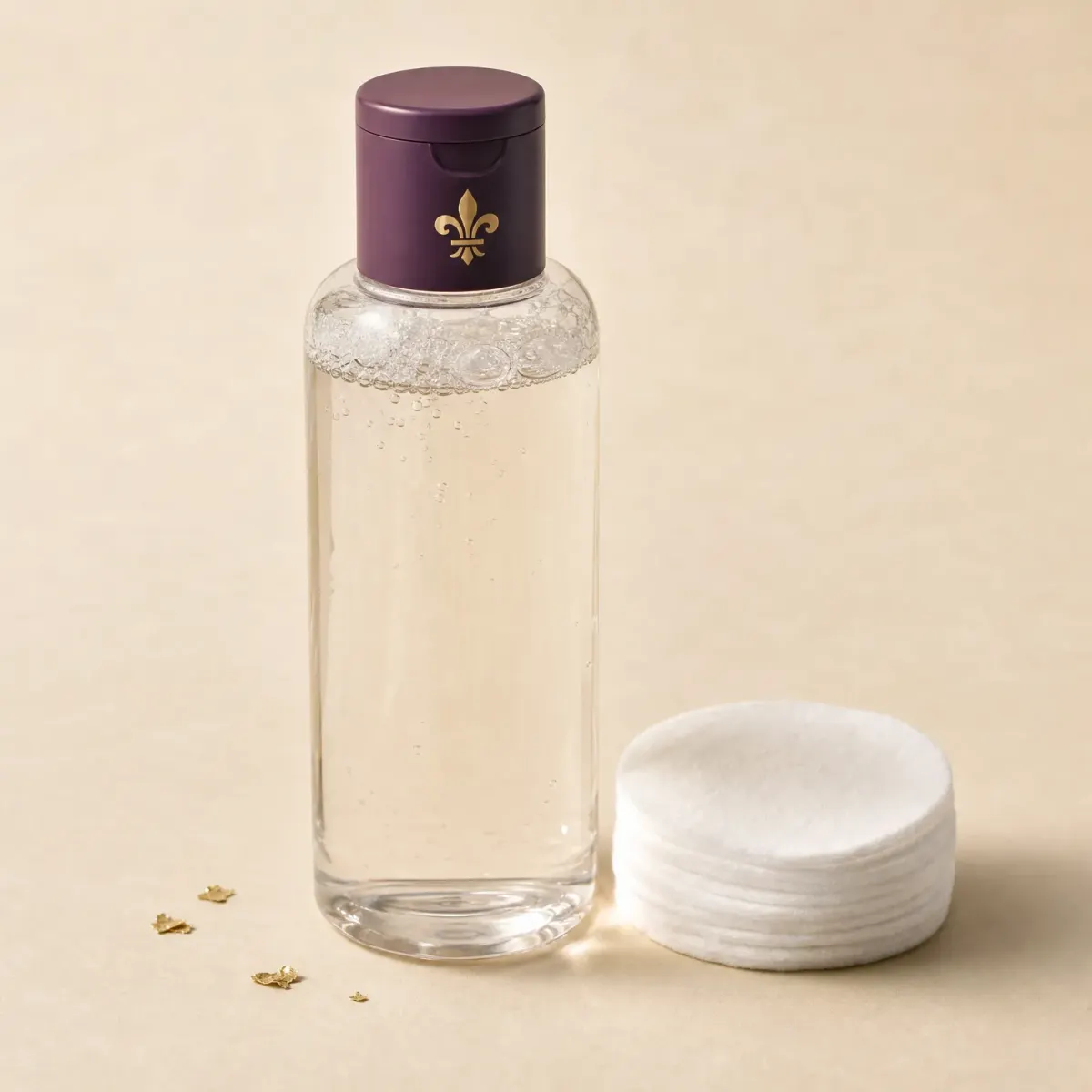
Micellar water is a no-rinse cleanser of water carrying a little mild surfactant, whose molecules gather into clusters called micelles that lift makeup, sunscreen and oil onto a cotton pad.
Our picks
Chosen for range rather than a single winner: French and Spanish pharmacy waters beside Korean and American ones, versions for sensitive, dry and oily skin, and waters from prestige houses. Each opens where its maker sells it, on Amazon or at the house’s own shop. “For sensitive skin” and “no rinse” are the makers’ claims.
As an Amazon Associate I earn from qualifying purchases. Affiliate links — we may earn a commission at no extra cost to you. How this works
Prestige classicPrestige Lancôme
Eau Fraîche Douceur Micellar Cleansing Water
Lancôme’s micellar water, sold for taking off face, eye and lip makeup.
- Face, eyes and lips
The original claimMid-range Bioderma
Sensibio H2O Micellar Water
The water Bioderma says it invented, and the one the rest are usually measured against.
- Sensitive skin
- Face and eyes
Drugstore stapleDrugstore Garnier
Micellar Cleansing Water All-in-1
The inexpensive bottle that took micellar water into American drugstores.
- Sensitive skin
- Vegan
Remover and tonerMid-range La Roche-Posay
Micellar Water for Sensitive Skin
A French pharmacy water its maker sells as makeup remover and toner at once.
- Sensitive skin
- Oil-free
All makeup typesPrestige Dior
L’Eau Micellaire OFF/ON
Dior’s micellar water, sold as removing every kind of makeup, sunscreen included.
- All makeup types
- Water lily extract
HydratingDrugstore Neutrogena
Hydro Boost Micellar Water
An everyday water with hyaluronic acid, for skin that feels tight after cleansing.
- Hyaluronic acid
- Alcohol-free
Three-in-oneMid-range Avène
Micellar Lotion Cleansing Water
A thermal-water brand’s micellar lotion, sold for face, eye and lip makeup in one pass.
- No rinse
- Face, eyes and lips
Lens wearersMid-range SVR
Sensifine AR Micellar Water
A French pharmacy water with niacinamide, sold for sensitive skin and contact-lens wearers.
- No rinse
- Niacinamide
- Contact lens wearers
Fragrance-freeDrugstore CeraVe
Hydrating Micellar Water
A fragrance-free, alcohol-free water with ceramides and hyaluronic acid.
- Ceramides
- Fragrance-free
Light makeupPrestige Clarins
Cleansing Micellar Water
Sold, candidly, for light makeup: a water that does not pretend to shift waterproof mascara.
- Light makeup
- No rinse
Soap-freeMid-range Caudalie
Vinoclean Micellar Cleansing Water
A soap-free water with organic grape water and chamomile, for all skin types.
- Soap-free
- No rinse
Four-in-oneMid-range ISDIN
4-in-1 Micellar Water
A Spanish dermatological house’s water, sold as toning and hydrating as it cleans.
- Alcohol and soap free
- Tones and hydrates
Budget pickDrugstore Burt's Bees
Micellar Cleansing Water
An inexpensive micellar water for quick, everyday cleansing.
- Coconut and lotus extract
Korean green teaMid-range innisfree
Green Tea Amino Acid Cleansing Water
A Korean cleansing water with green tea, sold as a hydrating micellar remover.
- Green tea
- Dermatologist tested
Mid-routine fixesPrestige MAC Cosmetics
Dew Over Micellar Water
A makeup artists’ brand’s water, sold for sharpening edges and erasing smudges as well as for the evening.
- No rinse
- Sensitive eyes
Low pHDrugstore COSRX
Low pH Niacinamide Micellar Cleansing Water
A Korean water sold on its low pH, with niacinamide, for sensitive skin.
- Low pH
- Niacinamide
- No rinse
Travel sizeMid-range MÁDARA
Cleansing Micellar Water
A Latvian house’s water in a small bottle that goes in a washbag.
- No rinse
- 100 ml bottle
Cleansing tonicMid-range Then I Met You
Living Sea Cleansing Tonic
A Korean micellar tonic, sold as makeup remover and toner in one step.
- Deep sea water
- Remover and toner
Witch hazelDrugstore Dickinson's
Micellar Cleansing Witch Hazel
An American witch-hazel house’s micellar water, sold as cleanser, remover and toner.
- Witch hazel
- Alcohol-free
YuzuMid-range AXIS-Y
Kojic Yuzu Cleansing Water
A Korean cleansing water with yuzu and kojic acid, sold for radiance as it removes makeup.
- Yuzu
- Kojic acid
- Vegan
Micellar water is a cleanser that looks like water because it nearly is. Dissolved in it is a small amount of mild surfactant, the same class of ingredient that makes soap work, usually with glycerin or another humectant beside it. Surfactant molecules have one end drawn to water and another drawn to oil, and in water they gather into tiny clusters called micelles, their oil-loving tails turned inward. Swept across the face on a cotton pad, the micelles take up makeup, sunscreen and the day’s oil, and most are sold as needing no rinse.[1]
That makes it the lightest of the removers to use: no basin, nothing to emulsify, one pad at a time. It is not an oil and does not behave like one. A cleansing oil or balm dissolves heavy and waterproof makeup; micellar water lifts lighter layers, and some makers add a separate oily layer, shaken before use, for the rest.
What it will take off
Micellar water is at its best on light makeup, sunscreen and the morning’s grime, and as a quick cleanse when there is no sink to hand. It struggles with waterproof mascara, gel liner and long-wear foundation, which are made to resist water. For those, choose a version labelled for waterproof makeup, usually an oil-infused formula that separates in the bottle, or take the eyes off first with a bi-phase remover and use the water for the rest of the face.
How you use it matters as much as which one you buy. Soak the pad rather than dampening it, hold it against the closed eye for a few seconds so the micelles have time to work, then wipe down and outward instead of scrubbing. Use a fresh pad for each area and carry on until one comes away clean; the first rarely does.
Rinse or leave it on
Most micellar waters are sold as no-rinse, but what stays on the skin is still a cleanser. When researchers at Rīga Stradiņš University tested 30 micellar waters in 2024, 21 claimed a no-rinse formula. Their pH ran from 4.25 to 7.87, against a skin surface that usually sits between 4.1 and 5.8, and a third tested above 6, many of them sold for sensitive skin. The researchers found no difference in pH between products for different skin types, and suggested that the rest of the formula, fragrance and colourants among it, may matter as much.[2]
“For sensitive skin” is the maker’s phrase, not a standard. In the United States no federal rule defines “hypoallergenic” or similar claims; the Food and Drug Administration says the word means whatever a particular company wants it to mean.[3] If your skin feels tight afterwards, rinse, or follow with your usual cleanser, and read the ingredient list rather than the front of the bottle.
Choosing one
Most ranges divide by skin type. Waters sold for oily skin often add a mattifying or exfoliating ingredient, those for dry skin add humectants such as hyaluronic acid, and those for sensitive skin usually leave out fragrance. Rose, cucumber and green-tea waters trade on scent and story more than on how thoroughly they clean.
A few practical details separate them more than the marketing does. A pump or a narrow spout that wets the pad without tipping the bottle wastes less. An oil-infused water has to be shaken every time, or the first pads are all water. And if you wear eye makeup only now and then, one gentle water for the whole face will do; keep a separate remover for the evenings when you wear waterproof mascara.
Where it came from
For most of the twentieth century makeup came off with cream. Cold cream, an emulsion of wax, oil and water, was spread on thickly and wiped away with a cloth or tissues; theatrical cold creams took off greasepaint, and a textbook of cosmetic science noted in 1957 that it was “common practice with many women to use a cold cream first for makeup removal, and then to complete the cleansing process by using soap”.[4] Liquids were slower to arrive. Makers avoided them for years because they separated in the bottle; better emulsifiers and homogenisers steadied them, and after the Second World War more and more lines came in liquid as well as cream versions, called milks in Britain and Europe and lotions in America.[5]
The science is older than the product. The chemist John McBain described soap solutions in terms of micelles in work completed in 1914 and published in 1919 and 1920. The popular story that micellar water began in France because Parisian water was harsh on the skin is repeated by brands, but the authors of a 2022 review in Cosmetics & Toiletries found no primary source to support it.[6] Bioderma says that it invented micellar water in 1995, with the water it now sells in the United States as Sensibio H2O.[7] The same review found no patent to back the claim of invention, and noted accounts that makeup artists took the product up backstage at fashion shows in the 1990s.[6]
It reached American drugstores in force two decades later. Garnier’s Micellar Cleansing Water became the number-one new cleanser in the mass market after its launch early in 2016, according to Nielsen figures reported by WWD.[8] A pharmacy product had become the thing people reach for when they cannot face the sink.
The techniques
- Press
- Press product onto the skin without dragging, so it stays where it is put.
- Sweep
- Long, light strokes that deposit a veil of product.
Sources
- [1, 2]Assessment of Micellar Water pH and Product Claims Dermato 4 (3): 79–85, 2024.View source (opens in a new tab) Accessed 2026-09-26.
- [3]"Hypoallergenic" Cosmetics US Food and Drug Administration, 2000.View source (opens in a new tab) Accessed 2026-09-26.
- [4]Cold Creams Cosmetics and Skin, 2009.View source (opens in a new tab) Accessed 2026-09-26.
- [5]Beauty Milks Cosmetics and Skin, 2025.View source (opens in a new tab) Accessed 2026-09-26.
- [6]Resurgent Skin Care: Micellar Water History, Claims, Functions, Ingredients and Market Relevance Cosmetics & Toiletries, March 2022, 2022.View source (opens in a new tab) Accessed 2026-09-26.
- [7]Sensibio H2O: The Original Micellar Water Bioderma US.View source (opens in a new tab) Accessed 2026-09-26.
- [8]The Best Beauty Brands of 2016 WWD, 9 December 2016, 2016.View source (opens in a new tab) Accessed 2026-09-26.
Other kinds of removers
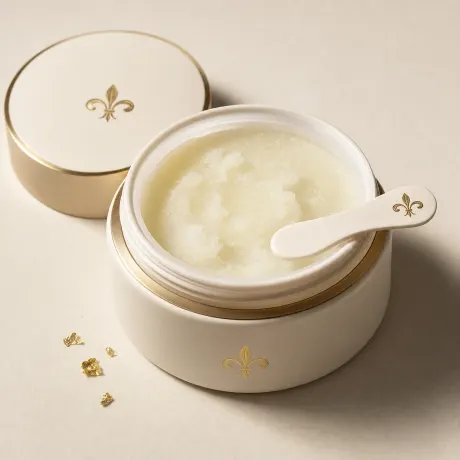
Cleansing balm
A solid balm that melts into an oil on the skin, dissolving long-wear makeup, then rinses to a milk.
Read the guide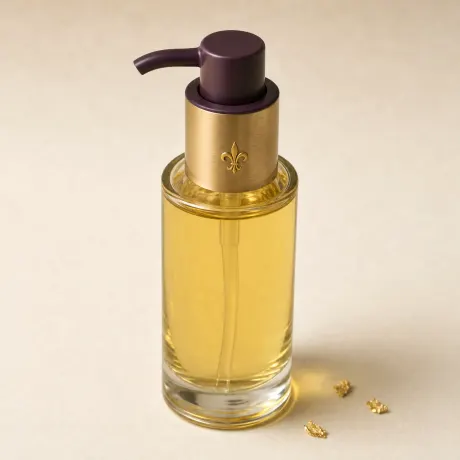
Cleansing oil
An oil that dissolves makeup and turns milky with water so it rinses clean.
Read the guide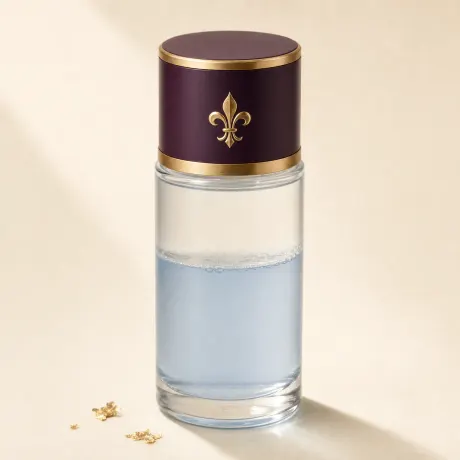
Bi-phase eye makeup remover
Oil and water in two layers, shaken together to remove waterproof eye makeup.
Read the guide