Cleansing balm
A solid cleanser that melts into an oil on the skin and rinses away as a milk. What it does that lighter removers cannot, how to use one without leaving a film — and the forgotten cream it revives.
A cleansing balm is a solid, water-free blend of oils, waxes and emulsifiers that melts into an oil on dry skin to dissolve makeup and sunscreen, then turns milky with water so that it rinses away.

Our picks
Chosen for the range of textures — sherbet, butter and gel balms, rinse-off and cloth-off — across budgets, with houses from Korea, Hungary and Britain beside the American ones. Each opens where its maker sells it, on Amazon or at the house’s own shop. Skin-type claims are the makers’.
As an Amazon Associate I earn from qualifying purchases. Affiliate links — we may earn a commission at no extra cost to you. How this works
Fragrance-freePrestige Clinique
Take The Day Off Cleansing Balm
A fragrance-free balm for the end of the day, from Clinique’s makeup-removing line.
- Makeup and sunscreen
- Fragrance-free
Budget balmDrugstore e.l.f. Cosmetics
Holy Hydration! Makeup Melting Cleansing Balm
An inexpensive balm that turns to oil on the skin, sold for the first step of a double cleanse.
- Solid-to-oil
- Hyaluronic acid
- Vegan
Korean originalMid-range Banila Co
Clean It Zero Cleansing Balm Original
Banila Co’s original balm, the one most Korean jars are compared with.
- All skin types
- Melts long-wear makeup
Balm-to-oilPrestige Dior
Dior Prestige Le Baume Démaquillant
Dior’s balm-to-oil, the first step of its Prestige skincare ritual.
- Face, eyes and lips
- Rinses with water
DrugstoreDrugstore Garnier
Erase It All Makeup Cleansing Balm
A drugstore balm with hyaluronic acid, sold as cleanser and remover in one.
- Hyaluronic acid
- Makeup remover
Sensitive skinMid-range heimish
All Clean Balm
A vegan Korean balm its maker sells for sensitive skin.
- Vegan
- Sensitive skin
Rich balmPrestige ELEMIS
Pro-Collagen Cleansing Balm
A rich, oil-heavy balm for dry skin, sold as cleanser, remover and treatment at once.
- 3-in-1
- Dry and sensitive skin
Eye makeupDrugstore CeraVe
Makeup Removing Cleanser Balm
A compact balm with ceramides, sold as gentle enough to take off eye makeup.
- Ceramides
- Jojoba oil
- Waterproof mascara
Double cleanseMid-range Then I Met You
Living Cleansing Balm
A sorbet-soft Korean balm made for the oil half of a double cleanse.
- Sunscreen and makeup
- Sorbet texture
Balm and clothPrestige Eve Lom
The Original Balm Cleanser
The balm-and-muslin cleanser the modern balm grew from, its formula unchanged by the company’s account.
- Muslin cloth included
- 5-in-1
Waterproof mascaraDrugstore Neutrogena
Makeup Melting Cleansing Balm
A drugstore balm sold on melting waterproof mascara as well as foundation.
- Waterproof mascara
- Leaves skin soft
Long-wear makeupMid-range Farmacy
Green Clean Cleansing Balm
A plant-based balm sold on how completely it lifts long-wear foundation, mascara and sunscreen.
- Waterproof mascara
- SPF
- Plant-based
Calming bluePrestige Sunday Riley
Blue Moon Clean Rinse Cleansing Balm
A soft blue balm with blue tansy and chamomile, sold for dry skin.
- Sugar-based cleansers
- Blue tansy
Buttery budgetDrugstore BYOMA
Melting Balm Facial Cleanser
An inexpensive buttery balm, sold by its maker as fragrance-free and non-comedogenic.
- Fragrance-free
- Non-comedogenic
Gently exfoliatingMid-range Glow Recipe
Papaya Enzyme Cleansing Balm
A balm with papaya enzyme, sold as gently exfoliating as it removes makeup.
- Papaya enzyme
- Exfoliating
Moor mudPrestige Omorovicza
Thermal Cleansing Balm
A Hungarian house’s balm with moor mud, reformulated to rinse away rather than be wiped off with a mitt.
- Hungarian moor mud
- Rinses with water
Oat balmDrugstore The INKEY List
Oat Cleansing Balm
A budget balm with oat kernel oil, sold as taking off makeup and sunscreen quickly.
- Oat kernel oil
- Sea buckthorn
Fragrance-freeMid-range Paula's Choice
Omega Complex Face Cleansing Balm
A fragrance-free, mineral-oil-free balm for dry and sensitive skin.
- Fragrance-free
- Mineral oil-free
Plant estersDrugstore Naturium
Purple Ginseng Cleansing Balm
An inexpensive balm built on plant esters rather than mineral oil.
- Plant-based esters
- Linoleic-rich oils
No residueMid-range belif
Aqua Bomb Cleansing Balm
A Korean balm-to-oil sold as rinsing away without an oily film.
- Balm to oil
- No oily residue
A cleansing balm is an oil cleanser in solid form. Oils and waxes are blended without water into something that holds its shape in the jar and melts at the warmth of the skin, and an emulsifier is added so that the melted oil turns milky when water reaches it and rinses away instead of sitting on the face. The oil does the work. It dissolves the oils, waxes and silicones that long-wear foundation, waterproof mascara and sunscreen are made of, which is why a balm shifts what water-based removers leave behind.
It sits between two neighbours. A cleansing oil is the same idea in liquid form, quicker to spread and easier to spill; a cream cleanser contains water and is wiped or rinsed off without first melting. The balm’s advantages are practical ones: it travels without leaking, and its thicker texture stays where it is massaged.
How to use it
Start with dry hands and a dry face; water added too early makes the balm emulsify before it has dissolved anything. Take a pea- to almond-sized amount with the spatula most jars come with, which keeps wet fingers out of the pot, warm it between the fingertips until it turns to oil, and massage it over the face for thirty seconds to a minute, working gently over closed eyes if the maker says the balm is for eyes. Mascara loosens faster if you rest the fingertips on the lashes for a moment instead of rubbing.
Then wet the fingertips and keep massaging. The balm turns milky as it emulsifies, and that milk is what rinses clean. Rinse with lukewarm water until the skin no longer feels slippery. A few balms are made to be taken off with a warm, damp cloth instead, and say so on the pot. Many people follow with a second, water-based cleanser: the “double cleanse”.
Choosing one
The first choice is how it comes off. Most balms now rinse clean with water; a few of the older style rely on a cloth, which buffs as it lifts but takes longer. Texture comes next. Sherbet-like balms melt quickly and feel light, buttery ones are richer and suit dry skin better, and gel-balms that turn to oil feel the least greasy.
Then read the label rather than the jar. Some balms carry essential oils or fragrance; others are sold as fragrance-free. Phrases such as “for sensitive skin” are the maker’s own: in the United States no federal standard defines “hypoallergenic” or similar claims.[1] A jar suits a bathroom shelf; for travel, look for a tube or a small tin.
Balm, oil or water
Choose the remover for the makeup, not the other way round. A balm or an oil earns its place when you wear long-wear foundation, sunscreen or waterproof mascara, the layers made to resist water. For bare skin or a light tinted moisturiser, micellar water or an ordinary cleanser is enough, and a balm is more than the job needs. For heavy eye makeup alone, a bi-phase remover on a pad is quicker and leaves less oil near the eyes. Balm and oil do the same job; the choice between them comes down to texture, travel and whether you prefer a pot or a pump.
Keeping it
A balm minds the heat, as its ancestors did: the liquefying cleansing creams of the 1930s tended to melt in the jar in summer, and makers had to alter their formulas for warm climates.[2] Keep the pot off a sunny windowsill and away from the hot tap, and if it has softened, let it set again at room temperature. Keep water out of it too. A balm is made without water, which is why the spatula matters more than it seems: wet fingers carry water into the jar with every scoop. Close the lid after each use, and throw away a balm that has begun to smell off.
Where it came from
Before the balm there was cold cream: beeswax, oil and water, reputedly first mixed by Galen and printed in the London Pharmacopoeia of 1618. Cheaper, longer-lasting versions made with petrolatum followed Vaseline Cold Cream of 1876, and by the twentieth century cold cream was spread on thickly and wiped away, in theatres to take off greasepaint and at home to take off powder, rouge and lipstick.[3]
The balm’s real ancestor arrived around 1920. The liquefying cleansing cream contained no water at all: mineral oil made firm with paraffin wax and later steadied with petroleum jelly, solid in the jar and melting on the skin. James Bennett, who has traced it through the trade press, suggests the idea came from actors, some of whom took off greasepaint with mineral oil. In 1931 Hinds advertised a cream that “melts at skin heat”, against “heavy” cleansing creams that went on “like lard”. Wiped off with tissues and probably followed by soap, liquefying creams were blamed for drying the skin and fell from favour after 1935, overtaken by lighter lotions made with new detergents.[4]
The balm came back in another register. The facialist Eve Lom launched her cleanser in 1985, a balm massaged in and lifted away with a muslin cloth, and the company says its formula has not changed since.[5] Most balms sold now carry an emulsifier and rinse away with water, which the liquefying creams, wiped off with tissues, did not. The idea is a century old; the rinse is what is new.
The techniques
- Buff
- Work in small circles with a dense brush until no edge remains.
Sources
- [1]"Hypoallergenic" Cosmetics US Food and Drug Administration, 2000.View source (opens in a new tab) Accessed 2026-09-26.
- [2, 4]Liquefying Cleansing Creams Cosmetics and Skin, 2013.View source (opens in a new tab) Accessed 2026-09-26.
- [3]Cold Creams Cosmetics and Skin, 2009.View source (opens in a new tab) Accessed 2026-09-26.
- [5]About Us EVE LOM.View source (opens in a new tab) Accessed 2026-09-26.
Other kinds of removers
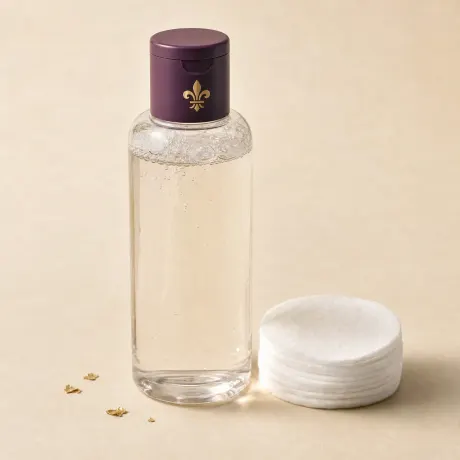
Micellar water
A water-based cleanser whose micelles lift makeup without rinsing.
Read the guide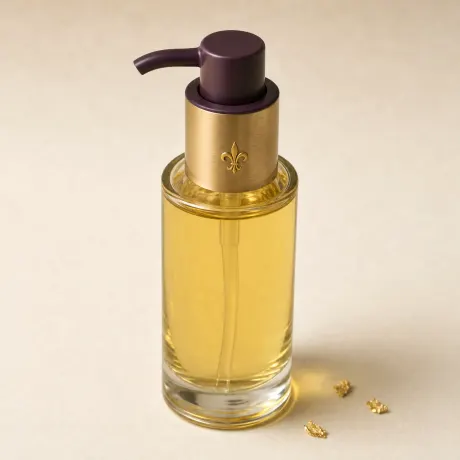
Cleansing oil
An oil that dissolves makeup and turns milky with water so it rinses clean.
Read the guide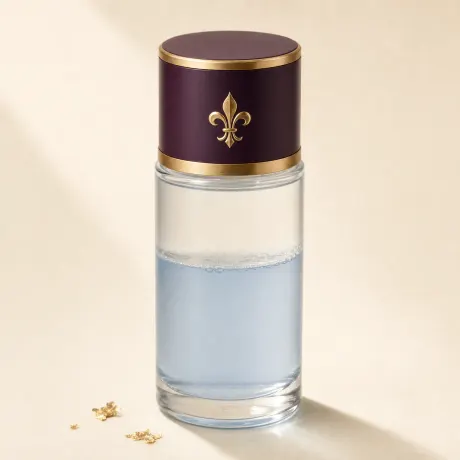
Bi-phase eye makeup remover
Oil and water in two layers, shaken together to remove waterproof eye makeup.
Read the guide