Cleansing oil
Oil to take off oil: a cleanser that dissolves makeup and sunscreen, then turns milky with water and rinses away. How it works, how to use it without leaving a film — and how a Hollywood habit became a Japanese staple.
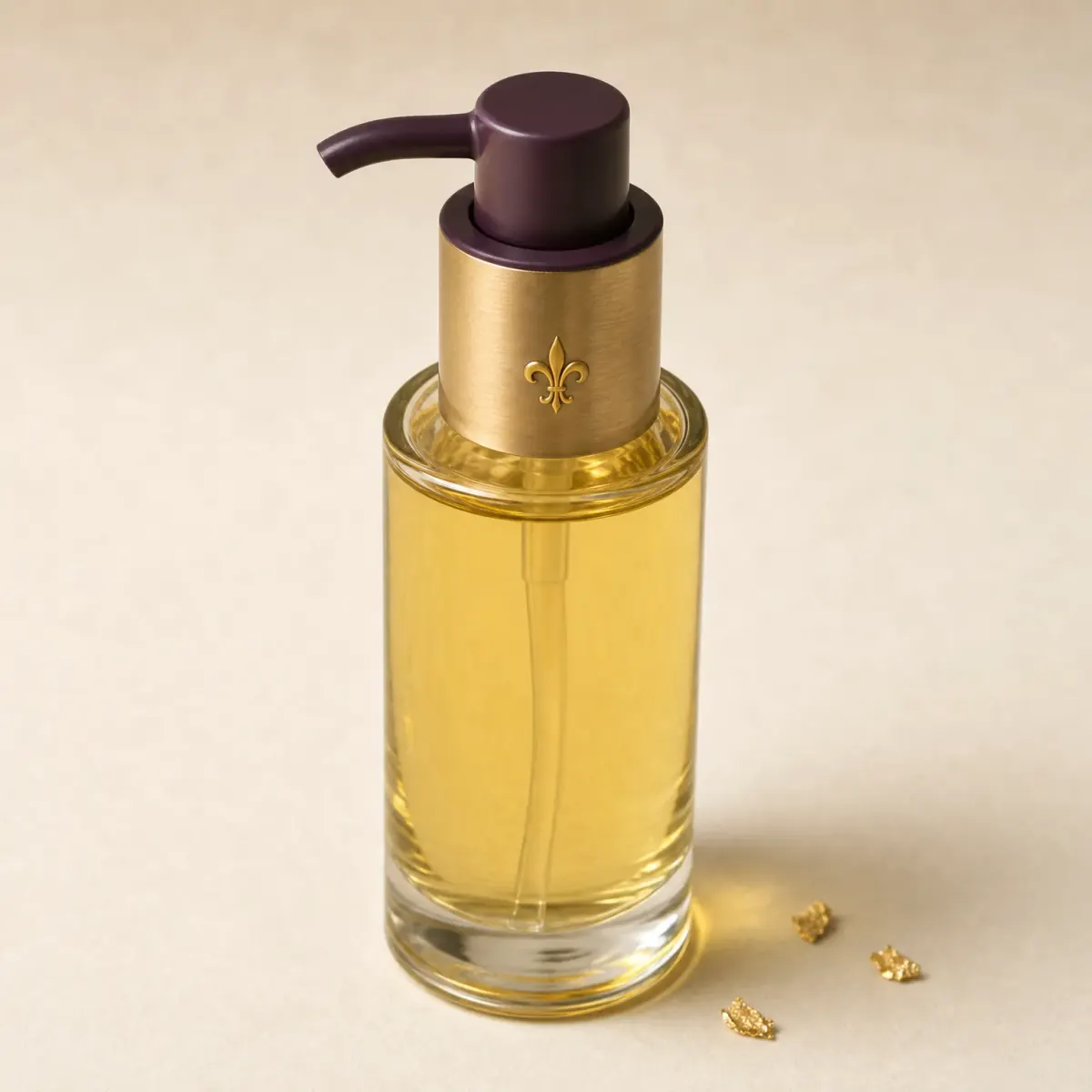
A cleansing oil is a blend of oils and an emulsifier that dissolves makeup, sunscreen and sebum on dry skin, then turns milky when water is added so that it rinses away without a greasy residue.
Our picks
Chosen for range: Japanese and Korean oils beside French, American and Australian ones, light formulas for oily skin and rich ones for dry, from drugstore to prestige. Each opens where its maker sells it, on Amazon or at the house’s own shop. Skin-type claims are the makers’.
As an Amazon Associate I earn from qualifying purchases. Affiliate links — we may earn a commission at no extra cost to you. How this works
The Japanese classicPrestige Shu Uemura
Ultime8∞ Sublime Tsubaki Cleansing Oil
From the house that took cleansing oil to Japan, in its eight-oil formula.
- 8 botanical oils
- All skin types
Residue-freeMid-range DHC
Deep Cleansing Oil
A Japanese oil sold as rinsing away without residue, free of fragrance and colourants.
- Fragrance-free
- Residue-free
Light and cheapDrugstore SKIN1004
Madagascar Centella Light Cleansing Oil
A light, inexpensive Korean oil for the first step of a double cleanse.
- Centella
- Double cleansing
Camellia oilPrestige Tatcha
The Camellia Cleansing Oil
A camellia-oil cleanser sold as remover and cleanser in one.
- Camellia oil
- Waterproof makeup
Blackhead careMid-range ma:nyo
Pure Cleansing Oil
A Korean oil its maker sells for blackhead care as well as for makeup.
- Tea tree
- Rice bran
Fragrance-freePrestige Clinique
Take The Day Off Cleansing Oil
A fragrance-free oil sold for long-wear face, eye and lip makeup and sunscreen.
- Fragrance-free
- Long-wear makeup and SPF
LightweightDrugstore Round Lab
1025 Dokdo Cleansing Oil
A light Korean oil sold as leaving no oily residue.
- Lightweight
- Sensitive skin
Japanese treatment oilMid-range KOSÉ
Sekkisei Treatment Cleansing Oil
KOSÉ’s Sekkisei oil, sold for makeup and sunscreen alike.
- Job’s tears extract
- Makeup and sunscreen
Water-lightPrestige Bobbi Brown
Soothing Cleansing Oil
A makeup artist’s house’s oil, sold as rich in oil but light on the skin.
- Waterproof makeup
- Oil-rich, water-light
Dry, sensitive skinDrugstore Curél
Makeup Cleansing Oil
A Japanese oil sold for dry, sensitive skin.
- Fragrance-free
- pH balanced
Botanical oilsPrestige Kiehl's
Midnight Recovery Botanical Cleansing Oil
A botanical oil that turns to a cleansing milk with water, as a cleansing oil should.
- Botanical oils
- Turns to a milk
Oil to milkMid-range Bioderma
Sensibio Micellar Cleansing Oil
A pharmacy house’s oil for sensitive skin, sold on its oil-to-milk texture.
- Oil-to-milk
- Fragrance-free
Transfer-proof makeupPrestige Dior
L’Huile OFF/ON
Dior’s oil, sold for the transfer-proof and waterproof makeup lighter removers leave behind.
- Waterproof makeup
- Transfer-proof makeup
Coconut and arganDrugstore Burt's Bees
Makeup Removing Cleansing Oil
An inexpensive coconut-and-argan oil for normal and dry skin.
- Coconut and argan oils
- Normal to dry skin
Two-in-oneMid-range Mario Badescu
Cleansing Oil
A lightweight oil sold as remover and cleanser in one.
- 2-in-1
- Lightweight
Korean prestigePrestige Sulwhasoo
Gentle Cleansing Oil
A Korean prestige oil sold for dry and sensitive skin.
- Waterproof makeup and SPF
- Dry and sensitive skin
Vegan budgetDrugstore Pacifica
Melt For You Facial Cleansing Oil
An inexpensive vegan oil its maker calls non-comedogenic.
- Vegan
- Non-comedogenic
GingerMid-range Peach & Lily
Ginger Melt Oil Cleanser
A ginger oil cleanser from an American house built around Korean skincare.
- Ginger
- Oil cleanser
Rich oilPrestige Erno Laszlo
Phelityl Cleansing Oil
A rich oil with vitamin E, sold for dry and sensitive skin.
- Vitamin E
- Dry and sensitive skin
Australian botanicalsMid-range Jurlique
Nourishing Cleansing Oil
An Australian botanical oil sold for all skin types.
- Botanical oils
- All skin types
A cleansing oil works on the principle that like dissolves like. Waterproof mascara, long-wear foundation and sunscreen are held together by oils, waxes and silicones that water slides off, and oil loosens them. What separates a cleansing oil from a bottle of olive oil is the emulsifier blended into it. Massaged over dry skin, the oil dissolves makeup; the moment water reaches it, the emulsifier turns the whole film into a thin milk that rinses away, taking the makeup with it.
That rinse is the point. A plain oil left on the face has to be wiped off and tends to linger, while a well-made cleansing oil leaves little behind. It has two near neighbours. A cleansing balm is the same idea in solid form, and a bi-phase remover also pairs oil with water, but keeps them in separate layers for use on a pad around the eyes.
How to use it
Use it on a dry face with dry hands: water added too soon starts the emulsion before the oil has done its work. Two or three pumps cover the face. Massage for thirty seconds to a minute, paying most attention to where the makeup is heaviest; over closed eyes, press and roll the fingertips along the lashes instead of rubbing, and only if the maker says the oil is for the eye area.
Then add water a little at a time and keep massaging. The oil turns white and milky; that is the emulsifier at work, and it is the step people most often skip. Rinse thoroughly with lukewarm water. If the skin still feels slick, follow with a water-based cleanser, the second half of a double cleanse.
For many people an oil does the work of an eye makeup remover as well. Mascara, waterproof formulas included, is built from waxes and film-formers that oil dissolves, but it needs a moment: hold the fingertips still on the lashes for a few seconds and the mascara slides off instead of smearing across the lid. Rinse with the eyes closed.
Choosing one
Formulas divide roughly by weight. Lighter oils, often built on esters or thin plant oils, are sold for oily skin and warm weather and feel close to water once rinsed. Richer ones, heavy with olive, camellia or argan oil, are sold for dry skin and leave more softness behind. Some add exfoliating acids or are sold for blackheads. Such claims, like “non-comedogenic”, are the maker’s own, and in the United States labels such as “for sensitive skin” have no federal definition.[1]
Two practical points matter more than the claims. A pump keeps wet hands out of the bottle and saves spills. And test how cleanly the oil emulsifies: rub a little between the palms and add a few drops of water. One that turns evenly milky will rinse; one that stays clear and slippery will leave a film. If fragrance bothers you, the ingredient list will say whether there is any.
If it leaves a film
A greasy film after rinsing usually has a simple cause. Either too little water was worked in, so the oil never fully emulsified, or too much oil went on for the amount of makeup. Massage longer with wet hands until the milk looks even, rinse with more water than feels necessary, and use less oil next time. On skin that dislikes any residue, a quick second cleanse settles the matter; on dry skin, the thin film a rich oil leaves is often the reason for choosing it.
Oils also age. Plant oils in particular turn rancid with time, heat and light, so keep the bottle closed, out of the sun and away from the hot tap, and replace one that has begun to smell stale or has clouded when it should be clear.
Where it came from
Oil was a backstage remover long before it was sold as a cleanser. Some actors took greasepaint off with mineral oil, and the cosmetics historian James Bennett suggests that is where the liquefying cleansing creams of the 1920s and 1930s, built on mineral oil and wiped off with tissues, came from.[2]
The cleansing oil as a product of its own belongs to Japan, and to a makeup artist who found it in America. Shu Uemura went from beauty school in Japan to Hollywood in the 1950s, where he worked on films as the only Japanese makeup artist, and by an account his old school published, drawing on his company’s press office, it was there that he first saw actresses take off their makeup with a cleansing oil. Back in Tokyo he opened a makeup atelier in his family home in 1965. In 1967 he began importing and selling Unmask Cleansing Beauty Oil, the oil he had met in Hollywood, and founded the company that became Shu Uemura; there was resistance at first, the company says, to washing the face with “tempura oil”. He obtained the rights to make the oil himself in 1977.[3] The company now describes Unmask as the first cleansing oil,[4] a claim its own story of an American product complicates.
Other Japanese houses followed. DHC, which began in 1972 as a translation business and started making cosmetics in 1980, introduced its Deep Cleansing Oil in 1995, the same year it set up its American company.[5] What started as a Hollywood habit is now made from Tokyo to Seoul to Paris, at every price.
The techniques
- Buff
- Work in small circles with a dense brush until no edge remains.
Sources
- [1]"Hypoallergenic" Cosmetics US Food and Drug Administration, 2000.View source (opens in a new tab) Accessed 2026-09-26.
- [2]Liquefying Cleansing Creams Cosmetics and Skin, 2013.View source (opens in a new tab) Accessed 2026-09-26.
- [3]The Crystallization of Shu Uemura’s Aesthetic: The Cleansing Oil That Changed the Values of Makeup Seijo Gakuen, sful-Seijo Dayori (republished on note.com), 2013.View source (opens in a new tab) Accessed 2026-09-26.
- [4]Mr. Shu Uemura: The Legend Shu Uemura Art of Hair (US).View source (opens in a new tab) Accessed 2026-09-26.
- [5]Company History DHC Corporation.View source (opens in a new tab) Accessed 2026-09-26.
Other kinds of removers
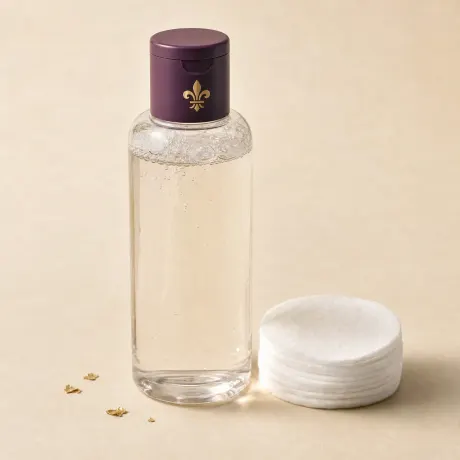
Micellar water
A water-based cleanser whose micelles lift makeup without rinsing.
Read the guide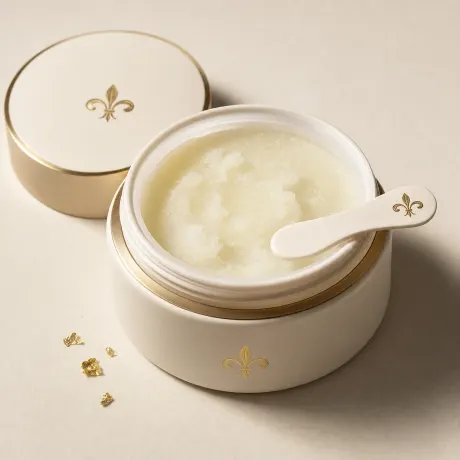
Cleansing balm
A solid balm that melts into an oil on the skin, dissolving long-wear makeup, then rinses to a milk.
Read the guide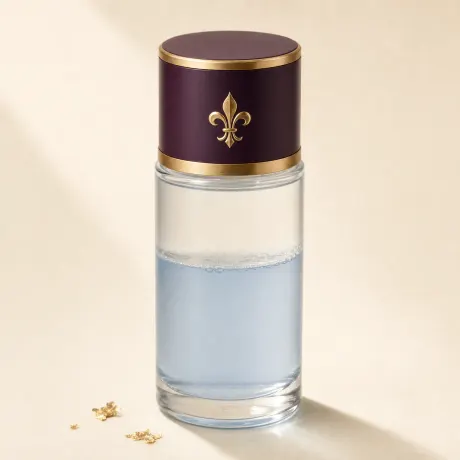
Bi-phase eye makeup remover
Oil and water in two layers, shaken together to remove waterproof eye makeup.
Read the guide