The Doorstep Trade: Selling Where There Was No Shop
A product nobody wished to be seen buying found a channel where nobody could see the purchase.
In short
The California Perfume Company was founded in 1886 and renamed Avon Products in 1939, and the direct-selling model it used suited cosmetics precisely because it moved a socially awkward purchase out of a public shop and into the home.
- 11min read
- 6chapters
- 4sources
Vivien
Your guide through time
Listen to this essay
5 min listenVivien reads our essays aloud, word for word — every date and every name in its place — so you can listen the way you would be walked through a gallery.
An AI voice, designed for History of Makeup
A shop is a public place. Anything bought in one is bought in front of whoever else is there, and in a period when a complexion preparation carried a suggestion about the buyer's respectability, that was a genuine obstacle to a sale.[1]
Direct selling removes the obstacle completely. The transaction happens in the customer's own parlour, conducted by a woman she may already know, with no counter, no queue and no witness. It is difficult to design a distribution channel better suited to the problem.[1]
The Firm, and What It Claims
The California Perfume Company was founded in 1886 and took the name Avon Products in 1939.[2] Those two dates come from the company's own account of itself, which is a reasonable source for a founding date and a poor one for almost anything else.
That caution is not pedantry. Heritage narratives are written to be inspiring, and the standard version of this one — a travelling book salesman who noticed that his free perfume samples outsold his books — has the shape of a story polished by retelling. The date can be taken; the anecdote should be attributed rather than asserted.[2]
Why It Suited Cosmetics
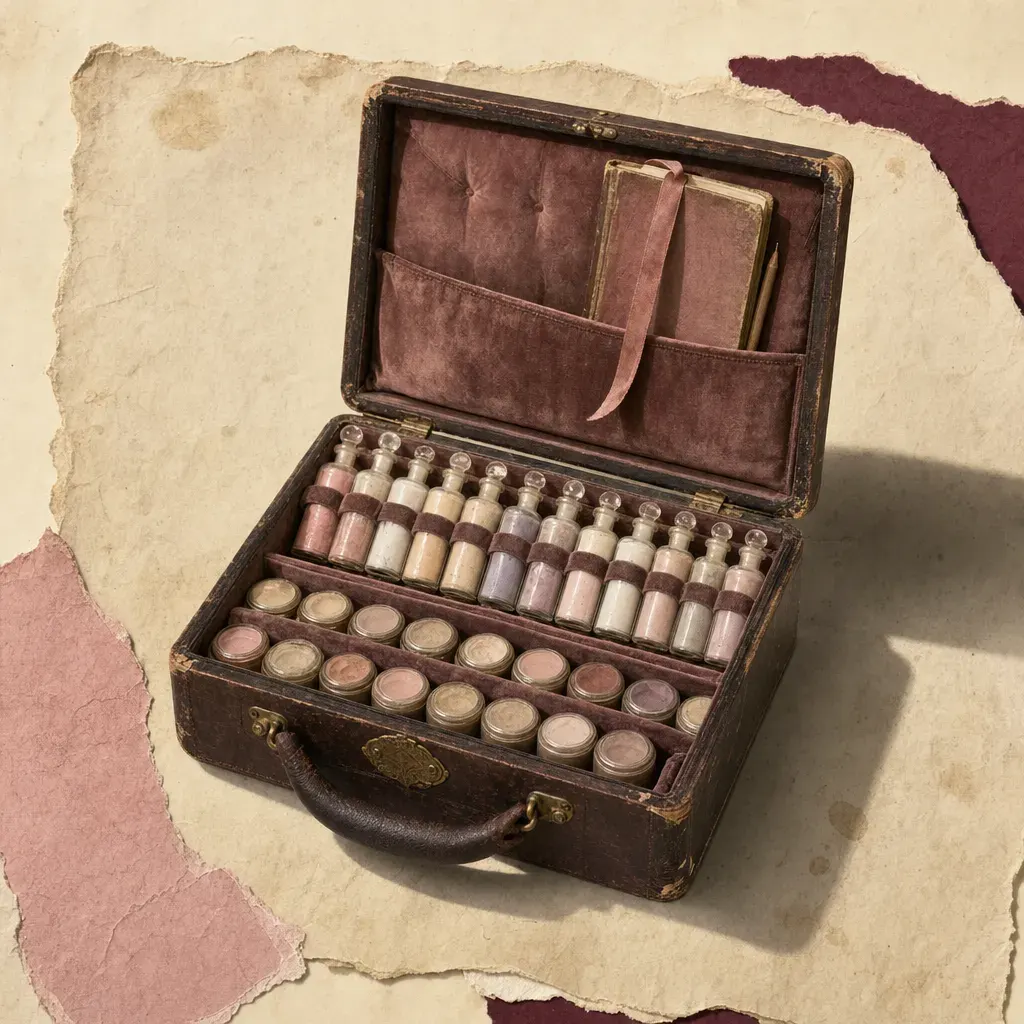
Three properties of the channel match three properties of the product. Cosmetics are small and light, so a single person can carry a full range. They benefit from demonstration, which a parlour allows and a crowded counter does not. And they were, in this period, embarrassing to be seen buying.[3]
There is a fourth that matters as much. A recommendation from a neighbour carries a kind of authority an advertisement cannot buy, particularly for a product whose effect the buyer cannot judge in advance.[3]
A shop is a public place. Anything bought in one is bought in front of whoever else is there.
Who Did the Selling
The salesforce was overwhelmingly female, and the work had a specific appeal in a labour market that offered women very little. It could be done from home, fitted around domestic obligations, required no capital beyond a sample case, and paid on commission rather than by the hour.[4]
Both halves of that should be held together. It was genuine independent income for women who had few routes to any, and it was piecework without security, sick pay or a floor under earnings. Accounts that celebrate the first without naming the second are selling the same story the recruitment literature sold.[4]
The arrangement also asked the saleswoman to spend something she could not replace. Selling to her own acquaintance meant putting her standing among them behind the product, and a preparation that disappointed cost her more than the commission was worth. That is an efficient way to guarantee a salesforce cares about quality, and an uncomfortable one.[4]
The Network Was the Asset
What the model actually built was a distribution network made of existing relationships. A saleswoman's territory was her acquaintance: her street, her congregation, her family. That is cheap to establish, hard for a competitor to copy, and it scales by recruitment rather than by capital expenditure.[5]
It is also the direct ancestor of a great deal of later cosmetics selling, from the mid-century party plan to the present-day affiliate. The mechanism has not changed: the seller's own social standing is the collateral for the product.[6]
What It Reached
Geography is the least discussed part of this. A very large proportion of the nineteenth-century population lived beyond convenient reach of any shop selling such goods, and a saleswoman with a case walked to them.[7]
Together with mail order, covered next on this timeline, direct selling is how cosmetics stopped being an urban trade. That is a larger change than any product introduced in the same decades.[8]
It is worth putting the two side by side. Mail order reached the household that knew what it wanted and could read a price; the doorstep reached the household that did not, and needed to be shown. Between them they covered almost everybody, and neither required a shopfront or a city.[7]
What Is Not Known
Sales and salesforce figures for the early decades come substantially from the companies themselves and should be read accordingly. Direct-selling firms have a standing interest in large recruitment numbers, because recruits are also customers.[9]
Nor is it possible to say how much of the channel's success came from privacy and how much simply from reaching places shops did not. Both were operating, and no source separates them.[10]
Sources
- [1, 3, 4, 5, 7, 10]Hope in a Jar: The Making of America’s Beauty Culture Metropolitan Books, 1998.
- [2, 9]Our History Avon.View source (opens in a new tab) Accessed 2026-09-24.
- [6]Beauty Imagined: A History of the Global Beauty Industry Oxford University Press, 2010.
- [8]Consumers Guide, Catalogue No. 104 1897.
Filed under