Tinted lip balm
A balm with a wash of colour, twisted up from a stick, for lips that look like lips. What it is, how to choose and wear one, and why it is older than the lipstick it is usually compared with.
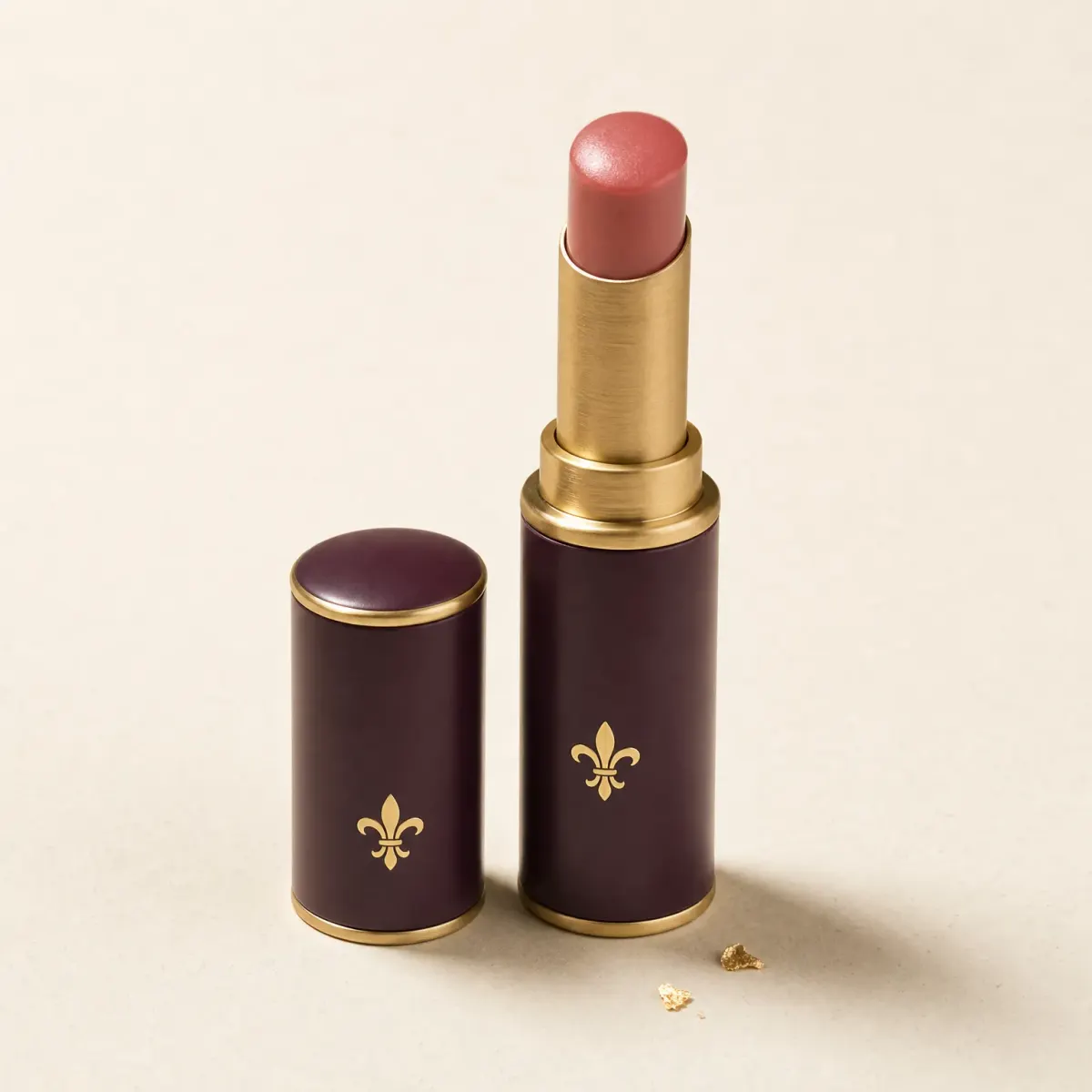
A tinted lip balm is a soft balm of waxes, butters and oils in a twist-up stick that conditions the lips and leaves a sheer wash of colour, lighter than a lipstick and easy to apply without a mirror.
Our picks
Chosen across the kind’s range, from the sheerest wash to colour close to lipstick, with SPF and pH-reactive shades among them, and across budgets from drugstore to prestige. Every pick is a stick; tinted balms in soft tubes are on the squeeze-tube page. Each opens where its maker sells it, on Amazon or at the house’s own shop, and you choose your shade on that page.
As an Amazon Associate I earn from qualifying purchases. Affiliate links — we may earn a commission at no extra cost to you. How this works
pH colourPrestige Dior
Dior Addict Lip Glow
The prestige reference point: a balm whose colour develops on the lip, in cool and warm shades.
- pH-activated colour
- 48h hydration
- Shea butter
With SPFDrugstore Revlon
Kiss Balm SPF 20
An inexpensive tinted balm with sunscreen, for lips that spend the day outdoors.
- SPF 20
- Fruit oils
Buildable tintMid-range ILIA
Balmy Tint Hydrating Lip Balm
Enough colour to stand in for a lipstick on a light day, built up with a second swipe.
- Sheer, buildable
- Soft shine
Buttery shinePrestige NARS
Afterglow Lip Balm
A buttery, non-sticky balm with a sheer shine, from a house better known for its blush.
- 24h hydration
- Sheer shine
EverydayDrugstore NIVEA
Tinted Lip Care
A plain, inexpensive tinted balm for pockets and bags.
- Shea butter
- Tinted
Buildable satinPrestige Chanel
Rouge Coco Baume
Chanel’s tinted balm of buildable colour: sheer at one swipe, deeper with each one after.
- Buildable colour
- Satin
Jelly textureMid-range Laura Geller
Jelly Balm Tinted Hydrating Lip Balm
A jelly-textured balm in a lipstick-style bullet, with more colour than most.
- Jelly texture
- Tinted
Butter balmPrestige YSL Beauty
Candy Glow Tinted Butter Balm
A soft butter balm whose colour adjusts to the wearer, from a house known for glossy lipstick.
- pH flush
- Shea and maracuja oil
Natural finishDrugstore COVERGIRL
Clean Fresh Tinted Lip Balm
A simple drugstore balm that reads as bare lips, only better rested.
- Vegan
- Natural finish
Gel balmPrestige Shiseido
ColorGel LipBalm
A Japanese house’s sheer gel balm, closer to a tinted lipstick than a salve.
- Sheer colour
- Gel texture
CreamyMid-range Julep
It’s Balm Tinted Lip Balm
A creamy balm in a slim stick, easy to apply with some precision.
- Creamy
- Moisturising
Peptide balmPrestige Bobbi Brown
Extra Lip Tinted Balm
A sheer tinted balm from a house built on natural-looking colour.
- Peptides
- Sheer tint
All-naturalDrugstore Physicians Formula
Organic Wear Tinted Lip Balm
For those who read the ingredients first: a balm sold on a natural formula.
- All-natural claim
- Dermatologist tested
SqualanePrestige Lancôme
Lip Idôle Squalane-12 Butterglow
A glossy, cushioned balm with buildable colour from Lancôme.
- Squalane and shea
- Instant shine
Deep shadesMid-range Melixir
Vegan Lip Butter
A Korean balm made in shades for warm and deep skin tones, where many sheer balms disappear.
- Petrolatum-free
- Agave and shea
Sold in pairsDrugstore Burt's Bees
Lip Tint Balm
The beeswax-balm brand’s tinted version, sold on Amazon as a pair of sticks.
- Shea butter
- Buildable
- Two tubes
Glossy balmPrestige Hourglass
Phantom Volumizing Glossy Balm
A glossy bullet balm for those who want shine without a wand.
- Glossy
- Volumising claim
A tinted lip balm is a lip balm first. The base is the same soft blend of waxes, butters and oils that holds any balm in its stick, and shea butter and fruit oils recur on the labels below, with a little pigment added: enough to warm the lip, not enough to cover it. It glides rather than drags, needs neither pencil nor mirror, and wears away evenly, so there is never a hard edge left to fade.
Where it sits among its neighbours depends on the balance of pigment and wax. With more pigment and a firmer wax, the same stick becomes a sheer lipstick; in a soft tube, a glossy balm, which this site files with squeeze-tube gloss; with oil in place of wax, a lip oil. Some tinted balms go beyond colour: a few carry sunscreen, sold with an SPF on the label, and several use colour sold as pH-reactive, which develops on the lip and settles into a shade that varies from one wearer to the next.
Choosing one
Decide first how much colour you want. The sheerest balms read as healthy lips and nothing more; the richer ones show clearly and can stand in for a lipstick on a light day. A pH-reactive balm promises a colour that suits you, which in practice means a pink or rose whose depth depends on you, so try one before buying several. If the balm is for the outdoors, look for one sold with an SPF, and remember that the protection goes when the balm does.
Texture decides comfort. Firm sticks wear longer and survive hot weather; creamy and jelly balms feel richer but soften in a warm pocket and can smear. Scent and flavour are common, from vanilla to fruit, and there are unscented balms for those who would rather not taste them. Last, the finish: satin balms look like bare lips, glossy ones add shine, and a few shimmer. On deep lips the sheerest tints can vanish altogether, so look for ranges made with warm and deep shades in mind.
Shade and skin tone
Sheer colour behaves differently on different lips. A tinted balm adds only a little pigment to the lip’s own colour, so the same shade can look vivid on pale, pink lips and disappear on deep, brown ones. Some makers now say so outright: one balm below is sold as “made for every skin tone, warm and deep included.” When choosing, look at swatches on lips like your own rather than at the stick, and lean towards the deeper and warmer shades if your lips are naturally dark, since sheer pinks and peaches can turn ashy on them.
The pH-reactive balms add a further twist, because their colour depends on the wearer and the shade name is a loose guide at best. If a balm looks like nothing at all on you, the richer butter and jelly formulas carry more pigment and will show; if every balm looks too bright, the sheerest ones, blotted, sit closest to bare lips.
How to wear it
A tinted balm is the one lip product that needs no technique: swipe it on, press the lips together, and it is done. For stronger colour, add a second layer, or dab more with a fingertip at the centre of the lips. It can prepare the lips for other colour too, as a thin, blotted coat under a matte lipstick, or over a lip liner filled in across the whole lip, for colour that outlasts the balm alone.
Because a balm is soft and carried everywhere, it picks up whatever it meets. Keep the cap on, wipe the top of the stick now and then, and do not share it. A balm left in a hot car softens and may lose its shape; a spell in the fridge will firm it again. If the stick starts to smell stale, its oils have turned and it is time for a new one.
Where it came from
The tinted balm is older than the lipstick it is usually compared with. In the nineteenth century, lip salves were sold by chemists or made at home to protect lips and soothe them when chapped, and some carried a red colouring, alkanet root or black grape juice, that reddened the lips as well.[1] Stiffened with white wax, they could be made as sticks, and according to some sources salves of this kind existed before 1840.[1]
The line between a coloured salve and a lipstick was, as one historian of the trade puts it, arbitrary. Salves generally carried less colouring, usually the cheaper alkanet, while lip rouges carried more, often the dearer carmine.[1] The balm kept its place as the stick grew into the lipstick: by 1938 Labello was selling a lip balm in aluminium cases, tinted and untinted.[1]
What has changed is the balm’s share of the market. In 2024 lip was the top-performing makeup segment in the United States, up 19 per cent, and the market-research firm Circana credited hybrid products “including lip oils and balms”.[2] A product first made to soothe chapped lips is now bought as makeup, which is roughly where it began.
The techniques
- Fill
- Colour inside an outline so the shape reads as solid.
Sources
- [1]Lipsticks Cosmetics and Skin.View source (opens in a new tab) Accessed 2026-09-22.
- [2]US Beauty Industry Sales Grow for the Fourth Consecutive Year, Circana Reports Circana, 12 February 2025, 2025.View source (opens in a new tab) Accessed 2026-09-25.
Other kinds of gloss, oil & tint
Lip gloss
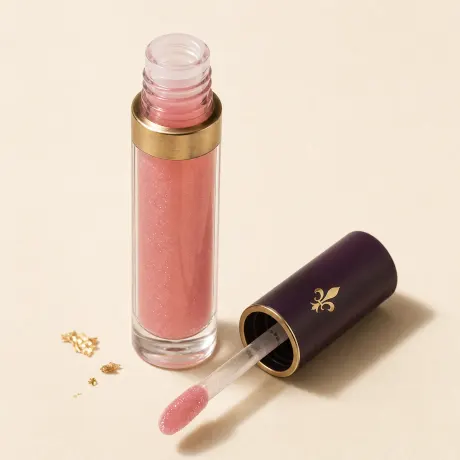
A glossy, sheer-to-tinted fluid for shine.
Read the guide
Squeeze-tube gloss
Gloss in a soft squeeze tube with a slanted tip, applied straight from the tube.
Read the guideLip plumper
A gloss with a mild irritant — often a pepper or menthol derivative — sold to make the lips look fuller for a while.
Read the guide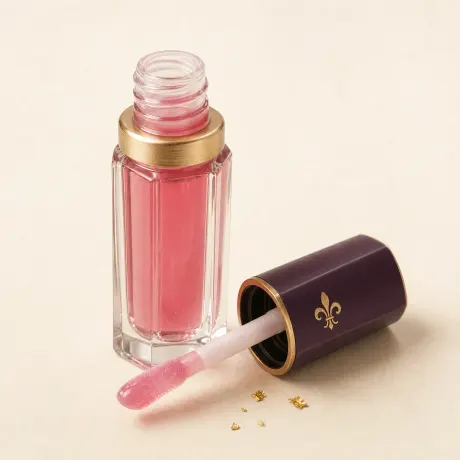
Lip oil
A tinted oil that conditions and shines without the stickiness of gloss.
Read the guide
Lip tint
A thin stain that dyes the lips, worn as a gradient deepest at the centre.
Read the guide