Lip oil
Oil for the lips, clear or tinted, for a wet shine that feels lighter than gloss. What it is, how it differs from gloss and balm, how to choose and wear one, and where it came from.
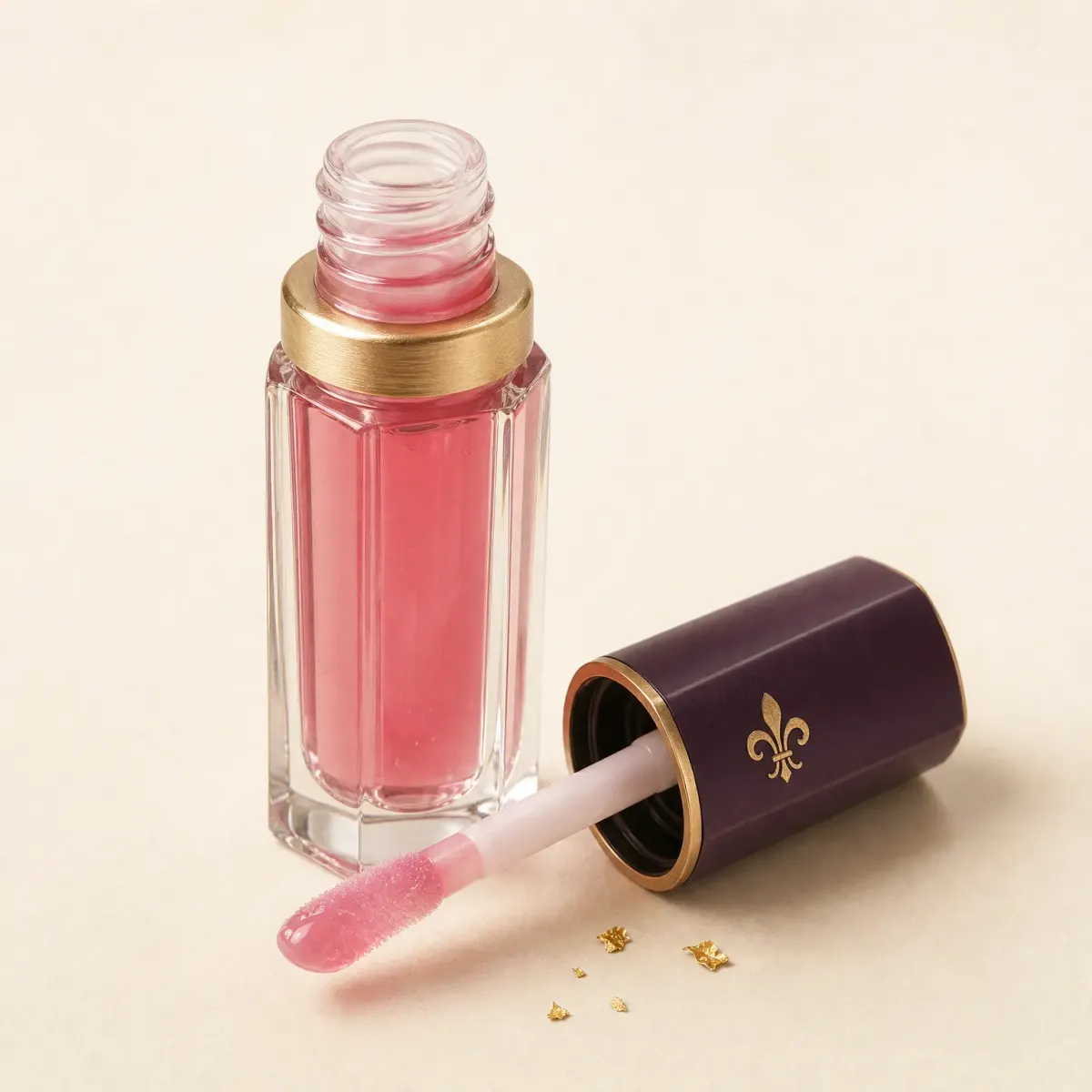
Lip oil is a clear or tinted blend of oils for the lips, usually applied with a wand, that gives a wet-looking shine and a light, slippery feel without the tack of a gloss.
Our picks
Chosen to cover clear, tinted and pH-reactive oils, thin and jelly-like textures, and budgets from drugstore to prestige, with houses from Korea, France and the Netherlands beside the American ones. Each opens where its maker sells it, on Amazon or at the house’s own shop, and you choose your shade on that page.
As an Amazon Associate I earn from qualifying purchases. Affiliate links — we may earn a commission at no extra cost to you. How this works
pH colourPrestige Dior
Dior Addict Lip Glow Oil
The prestige reference point: a mirror-shine oil whose colour adjusts to the wearer, in three finishes.
- pH-reactive shades
- Cherry oil
- Mirror shine
Budget tintDrugstore e.l.f. Cosmetics
Glow Reviver Lip Oil
An inexpensive tinted oil that shows what the kind does before you spend more.
- Tinted
- Non-sticky
- Jojoba oil
Jelly to oilMid-range Rare Beauty
Soft Pinch Tinted Lip Oil
Goes on as a jelly, melts to an oil and leaves a tint behind, so the colour outlasts the shine.
- Jelly texture
- Leaves a tint
Plant oilsPrestige Clarins
Lip Comfort Oil
The house that claims to have started the category, with a formula built on plant oils.
- Hazelnut and jojoba oils
- Tinted
Glossy tintDrugstore NYX Professional Makeup
Fat Oil Lip Drip
A glossier, more pigmented oil for those who want colour as well as shine.
- Tinted
- Up to 12h hydration
HoneyMid-range Gisou
Honey Infused Lip Oil
A sheer, scented oil built around honey, sold in clear and shimmering tints.
- Honey and jojoba
- No stickiness
Personal flushPrestige Bobbi Brown
Extra Blushing pH Tinted Lip Oil
A pH-reactive tint from a house that made its name on natural-looking colour.
- pH-reactive
- Tinted
Tint-freeDrugstore Burt's Bees
Lip Oil with Jojoba Oil
A clear, colourless oil for wearing over lipstick or alone as pure shine.
- Tint-free
- Jojoba oil
- Wand applicator
Sheer washMid-range Summer Fridays
Dream Lip Oil
A sheer tint with a soft, non-sticky finish that most people can wear without a mirror.
- Sheer tint
- Non-sticky
Scented tintPrestige Charlotte Tilbury
Unreal Lips Healthy Glow Nectar Oil
A tinted, fruit-scented oil in the house’s familiar warm, flattering shades.
- Tinted
- Fruit-scented
Korean oilDrugstore rom&nd
Juicy Flash Lip Oil
A Korean lip-tint specialist’s oil, for a juicier colour than most sheer oils.
- Tinted
- Glossy
pH or clearMid-range Haus Labs
PhD Hybrid Lip Oil
A cushiony, non-sticky oil offered in pH-reactive shades and a single clear.
- Sheer tint
- Prickly pear oil
- pH shades
Inexpensive glowDrugstore essence
Hydra Kiss Lip Oil
A low-cost tinted oil with a glossy finish from a German drugstore house.
- Tinted
- Hyaluronic acid
- Non-sticky
Oil jellyMid-range Tower 28
ShineOn Lip Oil Jelly
A jelly-textured oil that sits between an oil and a gloss and lasts longer than thin oils.
- Non-sticky
- Nourishing oil blend
Serum oilMid-range Wonderskin
Lip Oil Rehab Serum
Sold as a lip serum as much as a colour, in clear and tinted versions.
- Tinted or clear
- Glossy finish
Big wandMid-range Kaja
Juicy Glass Lip Oil
A glassy, fruit-inspired oil with an oversized applicator that covers in one swipe.
- High shine
- Sheer and milky shades
Staining oilMid-range Urban Decay
Lip Toy pH Staining Lip Oil
For those who want the colour to stay after the shine goes: an oil that leaves a stain.
- pH-reactive
- Leaves a stain
NourishingMid-range Laura Geller
Jelly Balm Nourishing Lip Oil Serum
A nourishing tinted oil from the makers of the Jelly Balm, for dry lips that want shine.
- Lip oil serum
- Tinted
A lip oil is what a gloss would be without most of its thickeners. The base is oil, and the labels below name jojoba, cherry, hazelnut, prickly pear and honey-infused blends, mixed with lighter synthetic oils and esters and just enough polymer to stop the whole thing running. It spreads thinner than a gloss, feels slippery rather than tacky, and leaves a wet shine that looks less like a mirror and more like freshly licked lips. Some oils are clear, most carry a sheer tint, and a few are sold as pH-reactive: the colour develops on the lip, and the shade it settles into varies from one wearer to the next.
Its neighbours overlap. A gloss is thicker and stickier, and lasts longer for it; a balm is solid and made to soften rather than shine; a lip tint stains, where most oils only coat. The lines blur in the products themselves, with oil-gloss, oil-stain and lip-oil serum all on the labels below, but a lip oil proper is the thinnest and most slippery of the four, and the first to wear off.
Choosing one
Decide first between clear, tinted and colour-developing. A clear oil suits wear over lipstick, or alone for plain shine; a tinted one gives a wash of colour that most people can put on without a mirror; a pH-reactive oil is a small gamble on the shade you will end up with, which is part of its appeal. Then consider the feel. Thin oils disappear quickly and need reapplying through the day, while the thicker jelly oils, which sit between an oil and a gloss, last longer and look glossier.
Scent matters more than it seems in something worn under the nose. Many lip oils are flavoured or scented, often with fruit, and there are unscented choices for anyone who would rather not taste their makeup. The applicator changes the result as well: a large, flat doe-foot lays down a generous coat for shine, while a smaller one gives more control for a sheer tint. Glass bottles look handsome but weigh more in a bag; plastic tubes travel better.
Colour that develops
Several oils here are sold as pH-reactive, and the phrase deserves a plain explanation. The colour comes from a dye that looks pale in the bottle and changes on contact with the lip, settling into a pink or rose that differs from one person to the next; makers call the result a custom or personal shade. Two things follow. The first swipe is a poor guide, so give it a minute or two before deciding whether you like the colour. And because the dye takes on the lip itself, these oils tend to leave a faint flush after the shine has worn away, which puts them somewhere between an oil and a tint. If you want the same predictable colour every time, choose an ordinary tinted oil; if a little surprise appeals, the pH shades are the ones to try.
How to wear it
Apply lip oil to clean lips, one stroke along each lip, and press them together. Because it is thin, it moves: if it tends to creep past the edge of your mouth, keep it just inside the line, or draw the line first with a nude or colourless pencil. Over lipstick, an oil softens a matte finish and adds shine, but it also loosens the lipstick underneath, so blot a long-wear formula and let it set before adding oil on top.
A clear oil works as a primer too: a thin coat, blotted, before a matte lipstick makes the lipstick more comfortable to wear. Like a gloss, a lip oil wand goes back into the bottle after touching the lips, so keep it to yourself and wipe the neck of the bottle now and then. Oils change as they age, and a stale or waxy smell is the sign that one has turned.
Where it came from
Oil on the lips is older than any product named for it. Some of the lip salves sold by chemists and made at home in the nineteenth century were little more than a coloured, scented oil. One recipe for a “scarlet lip salve” calls for an ounce of oil of sweet almonds, a drachm of fresh mutton suet and a little bruised alkanet root, simmered together, and suggests oil of jasmine, or of any other flower, in place of the almond oil when a scent was wanted.[1] The alkanet gave the colour, and the suet thickened it.
The lip oil as a named category is recent. Clarins dates its Lip Comfort Oil to 2015 and calls it “the first lip oil on the market”. That is the company’s account of itself, and a hard one to test when oils have been sold for the lips for far longer than the name.[2]
What can be measured is the demand. In 2024, according to the market-research firm Circana, lip was the top-performing makeup segment in the United States, up 19 per cent, driven by hybrid products “including lip oils and balms”.[3] The appeal is the one the salve-makers understood: something that feels like care and looks like shine. The difference now is the range, from clear drugstore oils to couture ones that change colour on the lip.
The techniques
- Fill
- Colour inside an outline so the shape reads as solid.
Sources
- [1]Lipsticks Cosmetics and Skin.View source (opens in a new tab) Accessed 2026-09-22.
- [2]Lip Comfort Oil, the pioneering lip oil! Groupe Clarins, 5 September 2025, 2025.View source (opens in a new tab) Accessed 2026-09-25.
- [3]US Beauty Industry Sales Grow for the Fourth Consecutive Year, Circana Reports Circana, 12 February 2025, 2025.View source (opens in a new tab) Accessed 2026-09-25.
Other kinds of gloss, oil & tint
Lip gloss
A glossy, sheer-to-tinted fluid for shine.
Read the guide
Squeeze-tube gloss
Gloss in a soft squeeze tube with a slanted tip, applied straight from the tube.
Read the guideLip plumper
A gloss with a mild irritant — often a pepper or menthol derivative — sold to make the lips look fuller for a while.
Read the guide
Lip tint
A thin stain that dyes the lips, worn as a gradient deepest at the centre.
Read the guide
Tinted lip balm
A balm with a wash of colour, for lips that look like lips.
Read the guide