Mattifying primer
A primer made to hold shine back, worn where the face turns oily first. What is in one, how to choose and wear it, and a century of creams and powders made against a shiny nose.
A mattifying primer is a primer carrying oil-absorbing powders, such as silica, worn under foundation on the oiliest parts of the face to keep shine down through the day.

Our picks
Chosen to cover the strengths of matte, from soft-focus to extreme, and the budgets, from drugstore to prestige. Each opens where its maker sells it, on Amazon, at the house’s own shop or at Sephora. Hours of shine control are the makers’ claims; skin and weather decide the rest.
As an Amazon Associate I earn from qualifying purchases. Affiliate links — we may earn a commission at no extra cost to you. How this works
Velvet mattePrestige Dior
Dior Forever Velvet Veil SPF 15
Dior’s answer to shine: a gel of absorbent powders with a blurred, not flat, matte finish.
- Blurring matte
- Mattifying powders
- SPF 15
Budget matteDrugstore NYX Professional Makeup
Shine Killer Mattifying Primer
A plain drugstore mattifier, and the easiest way to test whether a primer helps your shine.
- Mattifying
- Vegan
Grip and matteMid-range Fenty Beauty
Grip Trip Mattifying + Blurring Primer
Mattifies and grips at once, for oily skin under long-wear foundation.
- Silicone-free
- Shine control
- Gripping
Oily skinPrestige NARS
Soft Matte Primer
Made for oily skin, with a soft rather than a flat matte.
- For oily skin
- Soft matte
- Shine control
With SPFDrugstore Maybelline New York
Fit Me Matte + Poreless Mattifying Primer
The primer from Maybelline’s Fit Me Matte + Poreless line: clear, with a sunscreen.
- Clear
- Shine control
- SPF 20
Soft matteMid-range Milk Makeup
Pore Eclipse Mattifying Primer
A soft, not flat, matte for oily skin, from a brand better known for its sticks.
- Soft matte
- Controls shine
- Up to 12h wear
All-day oil controlPrestige Estée Lauder
Double Wear Smooth & Blur Primer
Sold for wearing under Estée Lauder’s Double Wear foundation, and matte enough on its own.
- Oil control
- Gel-cream
- Matte finish
Pore reducingDrugstore Revlon
PhotoReady Prime Plus Mattifying and Pore Reducing Primer
A drugstore mattifier with salicylic acid in the formula.
- Mattifying
- Salicylic acid and AHA
T-zoneMid-range Smashbox
Photo Finish Control Mattifying Primer
Sold with combination skin in mind: the maker suggests it for the T-zone.
- Salicylic acid
- Oil control
- Up to 12h
Pores and shinePrestige Clinique
Even Better Pore Defying Primer
A light matte primer that goes after pores and shine together.
- Blurs pores
- Reduces shine
- Niacinamide
PuttyDrugstore e.l.f. Cosmetics
Matte Putty Primer
A putty that melts onto the skin and dries to a soft matte.
- Putty texture
- Absorbs oil
- Soft matte
WeightlessMid-range Jane Iredale
Smooth Affair Mattifying Face Primer
From a mineral make-up house, a weightless matte primer sold as helping balance oil.
- Weightless
- Naturally matte
- Blurs pores
Blurring mattePrestige Laura Mercier
Pure Canvas Primer Blurring
The matte member of Laura Mercier’s Pure Canvas range, sold on shine control as much as on blur.
- Matte finish
- Oil-free
- 16h wear
LightweightDrugstore Milani
No Pore Zone Mattifying Primer
A very light mattifier for skin that dislikes the feel of heavier primers.
- Ultra-lightweight
- Mattifying
- Blurs pores
Very oily skinMid-range ONE/SIZE
Oil Sucker Extreme Mattifying Alkaline Primer
The strongest mattifier here by its own account, for skin that shines within the hour.
- Extreme matte
- Oil control
- Long wear
Gel-to-powderPrestige MAC Cosmetics
Studio Fix Mattifine 12hr Shine-Control Primer
A gel that dries to a powder-soft finish, sold as resisting sweat and humidity.
- Gel-to-powder
- Oil-free
- Up to 12h
Combination skinDrugstore KIKO Milano
Matte Face Base
An Italian drugstore base for skin that turns shiny during the day.
- Absorbent powders
- Colourless
- Combination to oily
Silicone-freeMid-range Dermablend
Poresaver Matte Makeup Primer
From a house built on full-coverage foundation, a silicone-free matte base to wear under it.
- Silicone-free
- Controls shine
- Oily skin
AirbrushedPrestige Hourglass
Vanish Airbrush Primer
Shine control that stops short of flat, sold as leaving some dimension in the skin.
- Translucent gel
- Absorbs oil
- Airbrushed finish
Hydrating mattePrestige Clé de Peau Beauté
Pore-Refining Mattifying Veil
A matte primer also sold as hydrating, for oily skin that dehydrates easily.
- Weightless matte
- Pores
- Hydrating
A mattifying primer is a primer that carries powder. The base is often silicone, sometimes a water gel sold as silicone-free, and suspended in it are materials that absorb oil: silica, clays such as kaolin, starches and fine polymer powders. Worn under foundation, those powders take up the oil the skin makes through the day before it reaches the surface, and the film around them leaves a soft, flat finish that holds shine back from the start. How long it holds depends on the skin and the weather; a figure on the tube, eight hours or twelve, is the maker’s claim.
It works alongside the other ways of dealing with shine rather than replacing them. Setting powder does the same job from above, after the foundation, and blotting papers lift oil once it has come through. A smoothing primer is made for texture, though many mattify a little, and a pore-filling balm is pressed into the pores themselves. The mattifying primer is the one to reach for when the problem is not how the skin looks at eight in the morning but how it looks at three in the afternoon.
Choosing one
Start with how oily your skin is, and where. Skin that shines within an hour or two, all over, can take a firmer, fully matte formula. Skin that shines only on the forehead and nose by the afternoon is better served by a light gel on those places alone, since a strong mattifier on dry cheeks makes them look flat and papery. Texture tells you something too: gels and lotions are generally the gentlest, creams and mousses the most absorbent.
Then check it against your skin tone. The white powders in some mattifying primers can leave a pale or greyish cast on deep skin; press a little onto the jaw and look again after ten minutes, in daylight. And think about what goes on top. Under a dewy foundation, a mattifying primer gives a satin finish that lasts. Under a matte, long-wear one it gives the flattest finish of all, which photographs well but can look heavy in person.
How to wear it
Use it only where you shine. For most people that is the T-zone, the forehead, nose and chin, and the centre of the cheeks beside the nose. Take a small amount and press it in with the fingertips rather than rubbing, which pushes the powders about and leaves them patchy. Any moisturiser underneath should be light and fully sunk in, or the primer sits on a greasy layer and gives up early. Let it set for a minute before foundation.
A little powder over the same places finishes the job. During the day, blot before you re-powder: pressing a tissue or a blotting paper onto the shine lifts the oil, where more powder on top of it builds a cakey layer. If your skin is dry in some places and oily in others, put a hydrating primer on the dry places first and the mattifying one on the rest.
When it stops working
Most complaints about mattifying primers come down to three things. If the foundation breaks up over the nose by midday, the layer underneath is usually too thick, or sitting on moisturiser that had not sunk in: use less, and wait longer between steps. If the skin looks dry or flaky where the primer went, it has gone somewhere that was not oily, or the formula is too strong for your skin, and a lighter gel on a smaller area is the answer. If it pills, rolling into small balls as you blend, the primer and the layers around it are not getting on; give each longer to dry, or try a foundation with a base closer to the primer’s.
Heat and humidity shorten everything. On hot days wear less foundation over the primer rather than more, and carry blotting papers rather than powder. A primer can hold shine back for longer, but it cannot stop the skin making oil.
Where it came from
Shine has been the enemy for as long as there has been powder. In a book of recollections of country-house life between 1912 and 1939, published in 1980, the author remembers sharing “the smallest-sized tube of Pond’s Vanishing Cream” with a room-mate in Paris. It was a great advance, because powder stuck to their noses over it, and they “need not so often squint down with one eye to see if they had acquired the shine which was so much frowned-upon”.[1] Vanishing creams dried to a semi-matt finish, and could be worn without powder to keep oiliness and shine down, which made them popular with African Americans.[1]
Powder itself was being refined against shine. A British beauty manual of 1936 advised that “the greasy skin calls for a heavier powder with astringent qualities to dry the excessive natural oil”, and chemists came to judge a powder on two separate counts: its covering power, and its absorbency, its capacity to reduce shine.[2] Fumed and colloidal silica, still a common ingredient in mattifying primers, appear to have entered face powders in the 1930s, and became popular in “blotting” powders made for teenagers.[2]
A mattifying primer moves that absorbent powder under the foundation, where it can start work before the shine appears rather than after. It does not end the need for powder on top. It means less of it, later in the day.
The techniques
- Press
- Press product onto the skin without dragging, so it stays where it is put.
- Pat
- Tap lightly with a fingertip or damp sponge so product melts in rather than moves.
Sources
- [1]Vanishing Creams Cosmetics and Skin, 2009.View source (opens in a new tab) Accessed 2026-09-26.
- [2]Loose Face Powders Cosmetics and Skin, 2009.View source (opens in a new tab) Accessed 2026-09-26.
Other kinds of primer
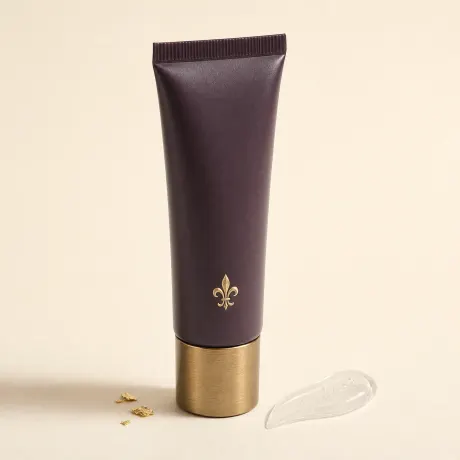
Smoothing primer
A silicone gel that fills fine lines and pores so the base glides over a smoother surface.
Read the guide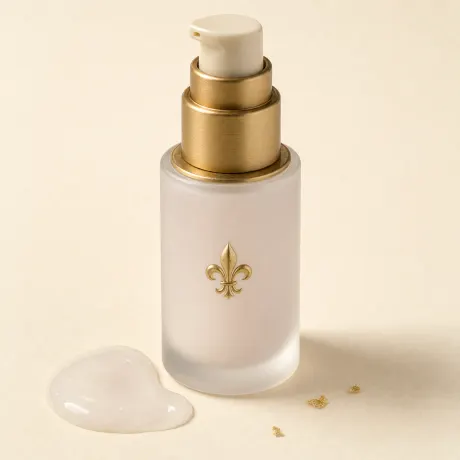
Hydrating primer
A water-light gel or milk that plumps dry skin so the base does not catch on dry patches.
Read the guide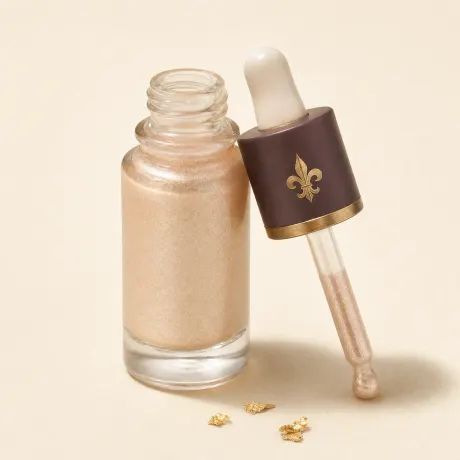
Illuminating primer
A pearly base that lends the skin light from underneath the foundation.
Read the guide
Pore-filling balm
A waxy, translucent balm that sits in pores and fine lines so they stop catching the light.
Read the guide