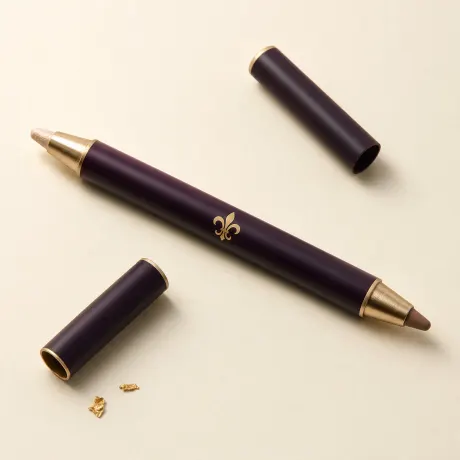
Nude waterline pencil
A skin-toned or pale pencil drawn along the inner rim of the lower lid to make the eye look larger and more awake. How to choose a shade, how to wear it safely — and the 1960s trick it grew from.
A nude waterline pencil is a soft, skin-toned, pale pink or white eye pencil drawn along the lower waterline, the moist inner rim of the lower lid, and often into the inner corner, to make the eye look larger and more awake.
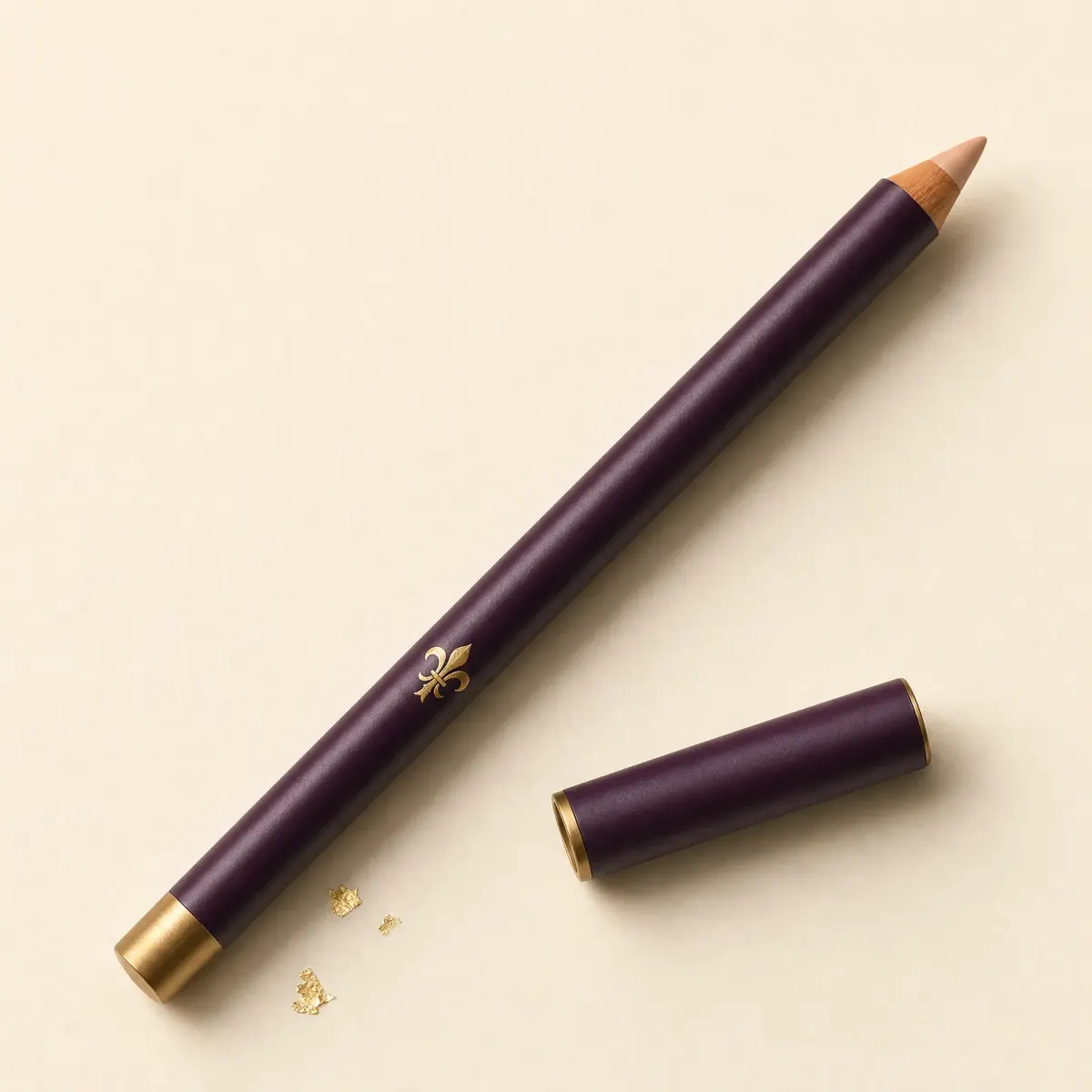
Our picks
Few houses make a pencil just for the waterline, and fewer sell one to US readers where it could be checked from here; these five did. Each opens where its maker sells it: on Amazon, or at the house’s own shop.
As an Amazon Associate I earn from qualifying purchases. Affiliate links — we may earn a commission at no extra cost to you. How this works
Universal nudePrestige Victoria Beckham Beauty
Instant Brightening Waterline Pencil
One nude shade made for every skin tone, which the house sells as a professional’s trick for brightening the eyes.
- One universal shade
- Waterline
Long wearMid-range Merle Norman
Waterline & Inner Corner Eyeliner, Nude
A creamy pencil formulated to hold on the inner eye line, sold as waterproof and as lasting ten hours.
- Waterproof
- 10-hour wear claim
- Ophthalmologist tested
RednessPrestige Trish McEvoy
Eye Brightener Pencil
A soft brightener for the inner corners and brow bone that the maker also recommends for the waterline, to take down redness.
- Creamy
- Inner corner and waterline
Fine tipMid-range Sormé
PRO Eye Brightener Pencil
A fine-tipped pencil for a thin, precise line along the rim and a dot in the inner corner.
- Fine tip
- Waterline and inner corner
With smudgerMid-range Tarte
fake awake eye highlight
A twist-up nude pen that never needs sharpening, with a smudger at the other end for the inner corner.
- Twist-up
- Smudger end
- Waterproof claim
A nude waterline pencil does the opposite of a kohl pencil. Black drawn along the waterline, the moist inner rim of the lower lid, frames the eye in dark and makes it look smaller; a pale, skin-toned line in the same place continues the white of the eye and hides the pink of the rim, so the eye reads larger and more awake. The pencil itself is simple: a soft, creamy lead in a pale shade, made to glide over a wet surface without dragging.
It overlaps with three neighbours. A white eyeliner does the same job more starkly and suits a graphic, sixties look. A highlighting or concealing pencil brightens the inner corner and the brow bone, but is not always made for the rim itself. And the aegyo-sal pencil, which draws light and shadow on the small roll beneath the lashes, is worn outside the rim, not on it. Several of the pencils here do two of these jobs; the waterline is the one to choose them for.
Choosing a shade
The right shade is close to the colour of the rim itself, a touch lighter. Pale pinks and beiges suit fair skin; peach, warm beige and soft caramel suit medium and deep skin, on which a stark white can look chalky. Many of these pencils come in a single universal shade, which makes the choice easy and the match approximate, so test it on the rim rather than the back of the hand. A matte finish reads as skin; a little shimmer brightens more but starts to look like highlighter. White still has its uses: under strong light, in photographs and for a deliberately graphic, sixties eye.
Make sure the pencil is made for the eyes. The FDA warns against using any cosmetic near the eyes unless it is intended for that use, giving a lip liner used as an eyeliner as its example, because some colour additives approved for cosmetics in general are not approved for the area of the eye.[1]
How to wear it
Sharpen first, if the pencil sharpens: a fresh surface is cleaner than one used yesterday. Look up, draw the lower lid down gently with a fingertip and run the pencil along the waterline from the inner corner outward in short strokes, then go over it once more to fill the gaps. Finish with a dot in the inner corner, tapped in with a fingertip. The waterline is the wettest place a pencil goes, so the line fades faster there than anywhere else; expect to touch it up.
Take it off at night with an eye-makeup remover on a pad held gently against the closed eye for a few seconds; the rim should never be scrubbed. Leave the pencil alone while the eyes are infected or the skin around them is inflamed, and throw away one that was used while they were.[2] Never share it, and keep it capped.
Getting it right
Most mistakes are about contrast. A shade much lighter than the rim reads as a white line, which is a look of its own; a shade darker or warmer than the rim makes it look muddy or sore. Shimmer on the rim itself tends to flake, so keep any sparkle for the inner corner. And draw on the wet rim, not on the skin below the lashes, where a pale line brightens nothing and draws attention to any shadow beneath the eye.
Balance matters as much as shade. A pale rim under a heavy black line on the upper lid can look unfinished; a little definition below it, from mascara on the lower lashes or a soft brown line pressed just beneath them, gives it an edge. Because tears and oil meet the pencil on the waterline, a firmer or waterproof formula usually outlasts a very soft one, at the cost of a little more drag as it goes on. Warm the tip on the back of the hand for a second if it pulls.
Where it came from
Rimming the eye in black has a long history of its own; rimming it pale is a 1960s idea. After the Second World War paler lipsticks moved the focus of the face from the mouth to the eyes, and in the 1960s the shift culminated in a look of big eyes in a pale face, worn by the models Jean Shrimpton and Twiggy.[3] The pale rim was one of the tools for it. Among the looks Eylure suggested to young customers, one printed in the Daily Mirror in 1964 told readers to shade the entire inside of the lower lid with white pencil “to make eyes appear larger”, after thickening the lower lashes with short drawn strokes and before putting on false ones.[4]
The skin-toned pencil is a quieter version of the same trick, and its own history is thin: the record does not show who first sold a pencil for the waterline in nude rather than white. What changed is the effect it aims at. A white rim reads as makeup on most faces; a shade matched to the rim itself is not meant to be noticed at all, only the size of the eye. It is the same illusion the sixties drew in white, made to pass for nothing.
The techniques
- Rim
- Run the applicator along the closed waterline so colour lines the inside rim of the eye.
- Dot
- A single placed mark — between the brows, on the forehead or the chin.
Sources
- [1, 2]Eye Cosmetic Safety US Food and Drug Administration.View source (opens in a new tab) Accessed 2026-09-22.
- [3]False Eyelashes Cosmetics and Skin, 2018.View source (opens in a new tab) Accessed 2026-09-26.
- [4]Eylure Cosmetics and Skin, 2019.View source (opens in a new tab) Accessed 2026-09-25.